

Did you know over four million U.S. households now use renewable energy? This big change shows a move toward energy freedom and saving money in the long run.
Thinking about joining this green movement? You probably have lots of questions. Understanding Solar Panels for Homeowners: Costs and Considerations is key before buying. Knowing the current market helps you plan your budget and set realistic goals.
Our guide aims to make residential energy upgrades easier for you. By looking at key factors, you can smoothly switch to clean energy. Let’s find out how to choose the best option for your home.
Key Takeaways
- Over four million American homes have already adopted renewable energy solutions.
- Financial planning is essential before investing in residential energy upgrades.
- Market research helps you set realistic expectations for your installation project.
- Understanding equipment quality ensures better long-term performance for your system.
- Professional guidance simplifies the technical aspects of your transition.
Solar Panels for Homeowners: Costs and Considerations
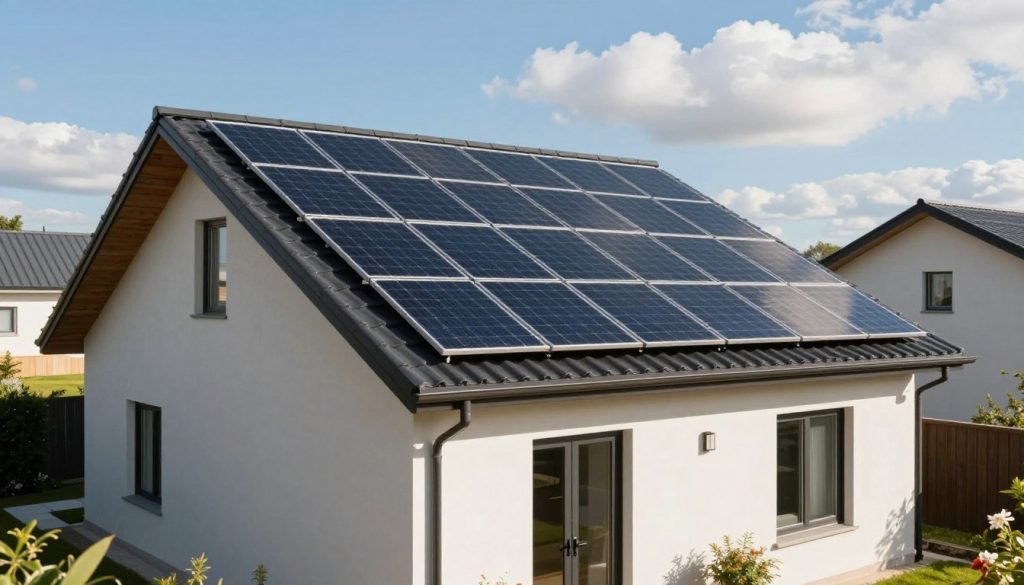
Thinking about switching to clean energy? First, look at the costs and benefits of solar panels for homes. Buying solar panels for homeowners means investing in a long-term power source. Knowing the financial side is key to a successful switch.
Understanding Average Installation Costs
The cost of solar panels depends on your home’s energy use and system size. A typical residential solar panel installation includes hardware, labor, permits, and grid fees. Prices have fallen a lot in the last ten years, making solar more affordable.
Here’s a simple breakdown of what you might pay:
- Equipment: High-efficiency panels and inverters.
- Labor: Professional installation and electrical work.
- Permitting: Local government fees and inspections.
Navigating Federal and State Rebates
Lower your upfront costs with solar panel rebates and tax credits. The federal government offers a big tax credit. This can greatly reduce your costs.
States and local utilities also offer cash incentives or payments based on performance. It’s smart to check what’s available in your area. These programs change often. Combining these benefits can make your investment pay off faster.
Exploring Financing and Leasing Options
Choosing the right solar panel financing is as important as picking the equipment. You have many home solar options, from paying cash to leasing. Each option has its own benefits, depending on your financial situation.
| Option | Pros | Cons |
|---|---|---|
| Cash Purchase | Highest long-term savings | Large upfront cost |
| Solar Loan | Own the system | Interest payments |
| Leasing | Zero down payment | No tax credit eligibility |
If you want to own your system, a solar loan is a good choice. It lets you pay over time while you get tax credits. On the other hand, leasing or power purchase agreements mean little to no money down. Think carefully about these options to match your budget and energy goals.
Key Factors Influencing Your Solar Investment
To get the most from your solar panels, you need to plan well and keep an eye on details. The cost is important, but how much power you get depends on technical factors. Before installing residential solar panels, check your home’s unique features.
Assessing Roof Condition and Orientation
First, make sure your roof can handle the panels’ weight and last long. If your roof needs a new one in five years, fix it before installing panels. Your roof’s strength is key to your solar project’s success.
The direction and angle of your roof also matter a lot. In the U.S., south-facing roofs get the most sun. Even east or west roofs can work well, but you might need more panels.
Evaluating Solar Panel Efficiency Factors
Not all panels work the same in every situation. Look at the conversion rate and how they handle heat. High-efficiency panels can make more power in less space, great for small roofs.
Also, check the temperature coefficient. This shows how much the panel’s power drops with heat. Picking panels with a low coefficient helps keep your system strong in summer.
Implementing Long-Term Solar Panel Maintenance Tips
After setting up, regular care keeps your panels working well. Simple solar panel maintenance tips can stop small problems from getting big. Most systems need little help, but being proactive helps a lot.
Check your panels often for dirt, bird mess, or shadows from trees. In dusty places, a soft water rinse can help. Always talk to your installer before cleaning to avoid damage.
| Factor | Impact on Performance | Action Required |
|---|---|---|
| Roof Orientation | High | Optimize tilt and azimuth |
| Panel Efficiency | Medium | Select high-rated hardware |
| Maintenance | Medium | Annual cleaning and checkup |
| Shading | Very High | Trim trees and remove obstructions |
Conclusion
Switching to renewable energy is a big step for your home. You now know how to handle the financial and technical sides with ease.
Companies like Tesla and SunPower have great options that meet today’s standards. By choosing clean energy, you cut down on carbon emissions and lower your bills.
Take a look at your local solar options and how much energy you use. Contact certified installers in your area for custom quotes today.
Your path to energy freedom begins with one smart choice. Adopt solar technology to make your home brighter and more eco-friendly.