
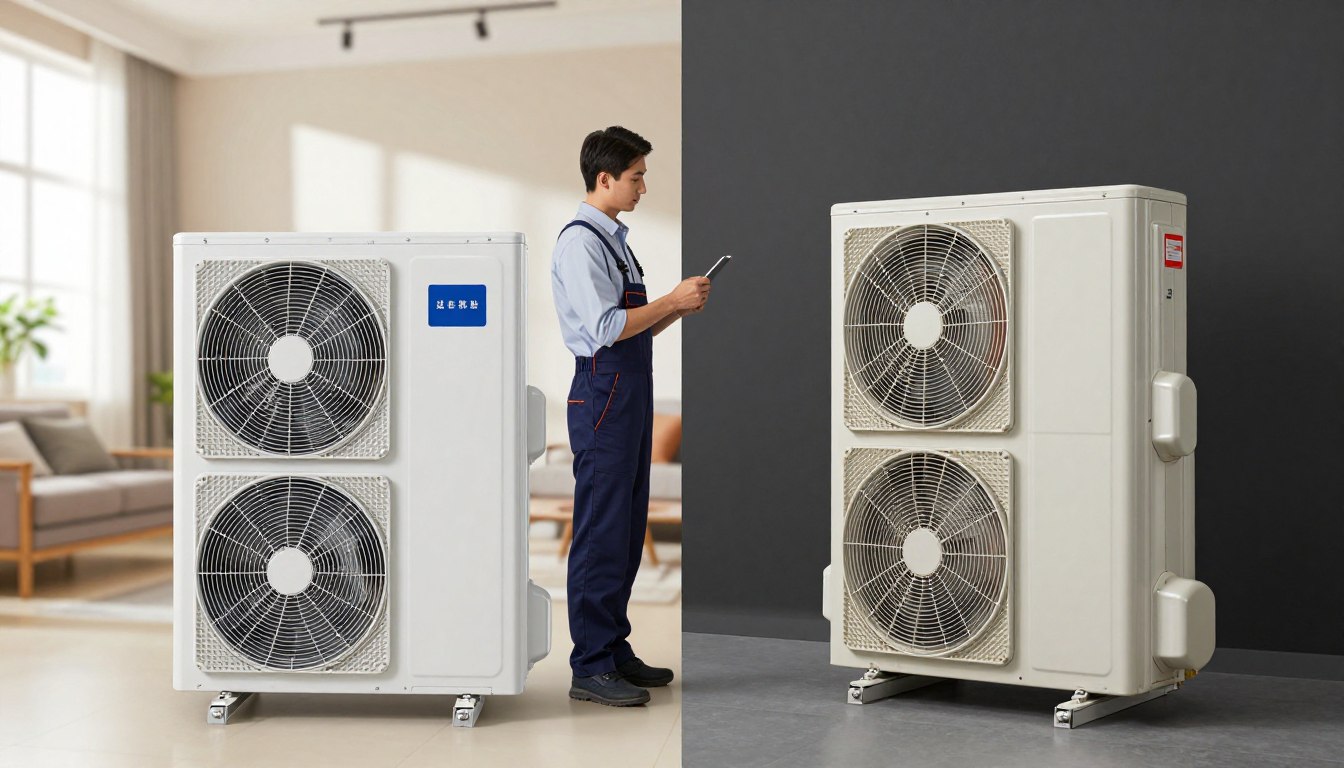
Did you know that nearly 50% of the average American household’s energy bill goes toward climate control? Choosing between Heat Pumps vs Traditional HVAC Systems is more than a home upgrade. It’s a key step to saving money in the long run.
With so many options out there, it can feel overwhelming. Whether you’re building a new home or updating an old one, knowing the differences is essential for your comfort.
This guide will help you understand the world of modern climate control. We’ll look at how your local climate and budget affect your choice. By considering these, you can keep your home cozy and your utility bills low.
Key Takeaways
- Energy efficiency greatly affects your monthly bills.
- Climate conditions are key to equipment performance.
- Modern tech offers green alternatives to old methods.
- Planning for long-term savings is wiser than just looking at upfront costs.
- Getting a professional assessment ensures your home gets the right system for you.
Understanding the Core Differences in Home Comfort Technology
When you look closely, you’ll see big differences in heating options. The industry is moving towards more advanced solutions. Knowing these differences helps you choose the best for your home.
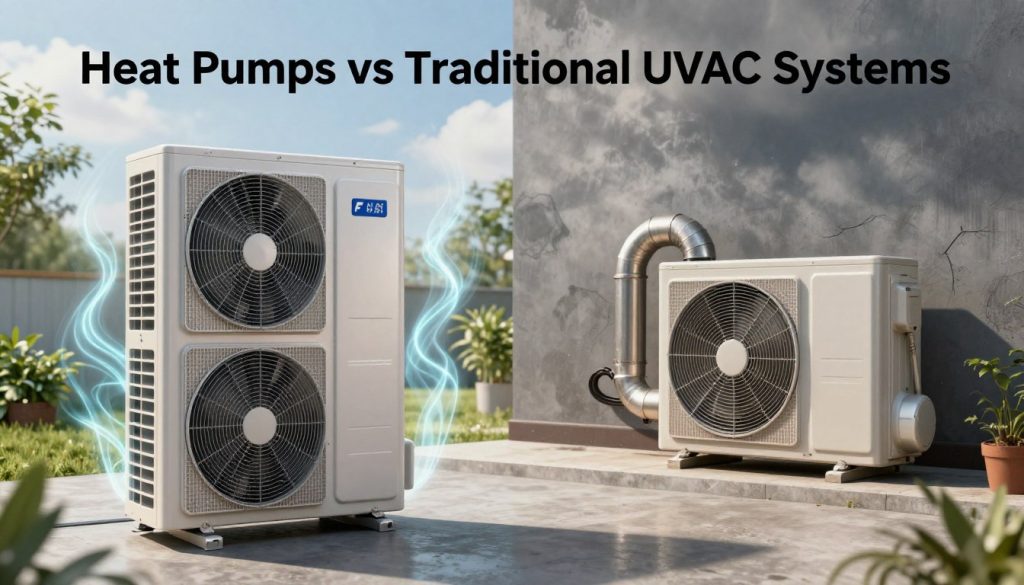
How Traditional HVAC Systems Operate
Most traditional heating and cooling systems use combustion. A furnace burns natural gas, propane, or oil to make heat. This heat is then blown through your ductwork.
These systems are judged by how well they convert fuel to heat. But, they can’t beat the laws of physics. This is why electric systems are becoming more popular.
The Mechanics Behind Modern Heat Pump Technology
Heat pumps are different from furnaces. They use a refrigerant cycle to move heat from outside to inside. This is like a refrigerator working in reverse.
This method is very efficient. It can even work in cold weather. Heat pumps can heat and cool your home with just one unit.
| Feature | Traditional Furnace | Heat Pump |
|---|---|---|
| Primary Energy Source | Natural Gas/Oil | Electricity |
| Heat Generation | Combustion | Heat Transfer |
| Operational Mode | Heating Only | Heating & Cooling |
| Efficiency | Moderate | High |
Key Factors to Consider When Choosing Your System
Choosing between modern tech and old methods is about balancing your budget and caring for the planet. When you look at heat pumps vs traditional hvac systems, you’re picking how your home will affect the environment and your wallet for years.
Energy Efficiency and Environmental Impact
Today’s homeowners want to cut down on their carbon footprint. The right choice today keeps your home cozy and reduces waste.
Why Heat Pumps Lead in Eco-Friendly HVAC Options
Heat pumps are seen as the top choice for eco-friendly hvac options. They don’t burn fossil fuels like old systems do. Instead, they move heat around.
This method cuts down on greenhouse gases a lot. By picking heat pumps, you help the planet and keep your home comfy all year.
The Reliability of Traditional Heating and Cooling
Many people stick with traditional heating and cooling because it’s reliable. Furnaces and air conditioners have been around for a long time. They offer a sense of security that many find reassuring.
“The best way to predict the future is to create it, and choosing efficient technology is the first step toward a sustainable home.”
Cost Comparison and Long-Term Savings
It’s important to think about the money involved before deciding. A detailed heat pump cost comparison shows that even though they might cost more upfront, they save money in the long run.
Initial Heat Pump Installation Expenses
The heat pump installation can be pricier than getting a new furnace. This is because heat pumps are more complex and need special skills to install.
But, many homeowners get help with these costs through federal tax credits and local rebates. Seeing it as an investment in your home’s value is key.
Maintenance Requirements for Furnaces Versus Heat Pumps
When you compare a heat pump vs furnace, maintenance is a big difference. Both need regular checks to work well, but they have different needs.
| Feature | Heat Pump | Furnace |
|---|---|---|
| Maintenance Frequency | Twice Yearly | Once Yearly |
| Primary Focus | Refrigerant & Coils | Burners & Heat Exchanger |
| Lifespan | 12-15 Years | 15-20 Years |
Regular maintenance is the key to making your equipment last longer. Whether you pick a furnace or a heat pump, keeping filters clean and getting professional checks will save you from costly repairs.
Top Reasons to Switch to a Heat Pump System
A modern heat pump can change your daily life in big ways. It offers heat pump benefits that make your home easier to maintain and work better.
Dual Functionality for Year-Round Comfort
One big plus is that it does both heating and cooling in one unit. No more dealing with separate systems. It keeps your home warm in winter and cool in summer.
This dual functionality makes your home simpler. You get the same temperature all year without changing systems.
Improved Indoor Air Quality and Safety
Switching to energy-efficient heating and cooling also makes your home healthier. These systems don’t burn fossil fuels, so you avoid carbon monoxide leaks and other dangers.
“The shift toward electrification in home heating is not just about efficiency; it is about creating a cleaner, safer environment for every family member.”
Without combustion, your air stays fresh and clean. This makes your home safer and more comfortable for everyone.
Government Incentives and Rebates for Energy-Efficient Upgrades
Now, upgrading your home is easier thanks to financial help. Many programs offer rebates and tax credits to help with the cost of a new system.
Using these energy-efficient heating and cooling incentives can save you a lot of money. Here are some ways to cut costs:
- Federal tax credits for installing high-efficiency equipment.
- Local utility rebates for switching from old systems.
- State grants for sustainable home upgrades.
These heat pump benefits offer more than just comfort. They make your home smarter and more affordable for the long term.
Conclusion
Choosing the right climate control system is about balancing your budget now and your energy goals later. Traditional HVAC units are familiar and reliable for many. But, modern heat pumps are more efficient and better for the environment, fitting today’s green trends.
You have all the info you need to decide what’s best for your home. Brands like Carrier, Trane, and Lennox have models for different climates in the U.S. Look at your local energy rates and tax credits to make the best choice.
Choosing high-efficiency tech makes your home more comfortable and saves money in the long run. Talk to a certified HVAC pro about your home’s layout and insulation. Your choice today will affect your home’s comfort and air quality for years.
Let us know what you think about switching to energy-saving heating and cooling. Contact local experts to begin your upgrade today. Your effort will keep your home cozy all year round.