
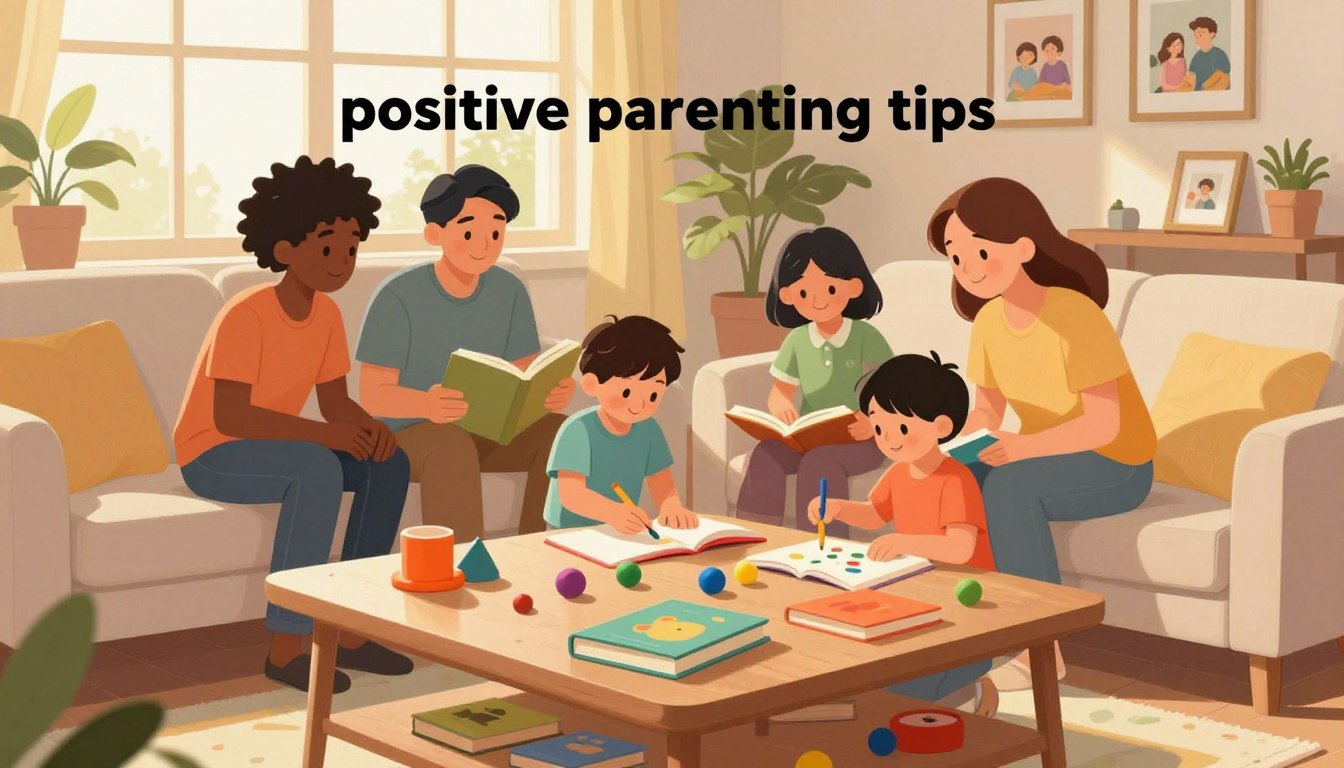
Did you know that children who experience consistent emotional warmth are 40% more likely to achieve academic success? This startling fact shows how our daily interactions shape a child’s future more than we might realize. Small moments of genuine care create lasting impacts on their growing minds and hearts.
Finding healthy methods to lead a family often feels like an overwhelming task in a busy world. However, true inspiration stems from intentional choices that foster deep trust and security between you and your little ones. By focusing on emotional connection, you create an environment where every child can truly thrive.
We share positive parenting tips to support your journey toward building a more resilient and happy household. This guide explores how to cultivate wellness and balance without adding extra stress to your routine. Let us start this meaningful journey toward a more harmonious and supportive family dynamic today.
Key Takeaways
- Prioritize emotional security to boost long-term academic and social success.
- Model wellness through consistent daily habits and mindful choices.
- Foster resilience by using supportive and active communication techniques.
- Encourage a growth mindset with simple, intentional actions every day.
- Create a harmonious home environment by focusing on connection over correction.
Understanding the Foundations of Child Well-Being
To foster a supportive environment for your child, it’s essential to comprehend the foundational elements of child well-being. Nurturing parent-child relationships and promoting children’s well-being are at the heart of effective parenting.
The Five Pillars of Healthy Child Development
Healthy child development is supported by five key pillars:
- Physical Health: Ensuring your child has a balanced diet and regular exercise.
- Emotional Well-being: Creating a nurturing environment that supports emotional expression.
- Social Skills: Encouraging interactions that develop social competence.
- Cognitive Development: Providing opportunities for learning and intellectual growth.
- Resilience: Teaching your child to cope with challenges and setbacks.
How Your Parenting Style Shapes Your Child’s Future
Your parenting style significantly influences your child’s development and future outcomes. Parenting approaches can range from authoritative to permissive, and understanding the implications of each style is crucial.
Assessing Your Current Approach
Reflecting on your parenting style and its effects on your child is a vital step towards making positive changes. Consider the following:
- How do you respond to your child’s emotional needs?
- What boundaries do you set, and are they clear and consistent?
- How do you encourage positive behavior?
Build Deep Emotional Connections with Your Child
Nurturing a deep emotional connection with your child is vital for fostering a positive and supportive relationship. This connection is the foundation upon which your child’s emotional and psychological development is built. By implementing mindful parenting techniques, you can strengthen this bond and promote a healthier parent-child relationship.
Practice Active Listening Every Day
Active listening is a powerful tool for nurturing parent-child relationships. It involves fully concentrating on what your child is saying, understanding their perspective, and responding thoughtfully.
Put Away Distractions During Conversations
In today’s world, distractions are plentiful. When talking to your child, put away your phone and other distractions to show that you value their thoughts and feelings.
Reflect Back What Your Child Says
Reflecting back what your child has said helps them feel heard and understood. This technique, known as reflective listening, can significantly enhance your connection with your child.
Ask Open-Ended Questions
Asking open-ended questions encourages your child to share more about their thoughts and feelings, fostering a deeper understanding between you and your child.
Schedule Regular One-on-One Time
Spending quality time with your child is essential for building a strong emotional bond. Regular one-on-one interactions can make your child feel seen and valued.
Create a Weekly Special Activity Routine
Establishing a weekly routine where you and your child do something special together can create lasting memories and strengthen your bond.
Follow Your Child’s Interests
Engaging in activities that your child enjoys shows that you are interested in their life and care about their happiness.
Validate Emotions Without Judgment
Validating your child’s emotions without judgment helps them develop emotional intelligence and feel supported. It’s essential to acknowledge their feelings and offer comfort when needed.
By practicing these mindful parenting techniques, you can build a deeper, more meaningful relationship with your child, laying the groundwork for their emotional and psychological well-being.
Establish Healthy Daily Routines and Habits
Creating a daily routine that fosters healthy habits is essential for raising happy and healthy kids. By establishing consistent routines, parents can help their children develop good habits that will benefit them throughout their lives.
Design a Consistent Sleep Schedule
A consistent sleep schedule is vital for a child’s physical and emotional development. Ensuring your child gets enough sleep each night can improve their mood, concentration, and overall health.
Set Age-Appropriate Bedtimes
Setting bedtimes that are appropriate for your child’s age is crucial. For example, younger children need more sleep than teenagers.
Create a Calming Bedtime Ritual
Developing a calming pre-sleep routine can signal to your child that it’s time to sleep. This can include activities like reading or storytelling.
Limit Screen Time Before Sleep
Avoiding screens before bedtime is important, as the blue light emitted can interfere with your child’s ability to fall asleep.
Plan and Prepare Nutritious Family Meals
Nutritious meals are essential for a child’s growth and development. Planning and preparing meals as a family can be a fun and educational experience.
Involve Your Child in Meal Planning
Involving your child in meal planning can help them develop healthy eating habits and make mealtime more engaging.
Make Mealtimes Device-Free
Making mealtimes device-free can encourage social interaction and help your child develop better eating habits.
Incorporate Movement Throughout the Day
Regular physical activity is crucial for a child’s health and development. Incorporating movement into daily routines can be fun for the whole family.
Schedule Outdoor Play Time
Scheduling outdoor play can help ensure your child gets enough physical activity and has time to explore and enjoy nature.
Make Physical Activity Fun and Family-Centered
Engaging in physical activities together as a family can make exercise more enjoyable for your child and create lasting memories.
| Age Group | Recommended Daily Physical Activity | Recommended Daily Sleep |
|---|---|---|
| 4-12 years | At least 60 minutes | 9-11 hours |
| 13-18 years | At least 60 minutes | 8-10 hours |
Implement Positive Discipline Techniques
Positive discipline is a parenting approach that focuses on teaching children valuable life skills rather than simply punishing them for misbehaving. This method encourages children to develop self-control, responsibility, and problem-solving skills, all of which are essential for their well-being and future success.
Set Clear, Age-Appropriate Boundaries
Establishing clear boundaries helps children understand what is expected of them. It’s essential to set rules that are appropriate for their age and developmental stage.
Explain the Reasons Behind Rules
When children understand the rationale behind rules, they are more likely to accept and follow them. Explaining the reasons helps children develop critical thinking skills and understand the impact of their actions.
Be Consistent with Consequences
Consistency is key to effective discipline. Ensuring that consequences for misbehavior are consistent helps children understand that rules are to be taken seriously.
Focus on Teaching Instead of Punishing
The goal of positive discipline is to teach children valuable life skills, not just to correct their behavior. This approach involves guiding children towards making better choices.
Use Natural Consequences When Safe
Allowing children to experience the natural consequences of their actions (when safe to do so) is a powerful teaching tool. It helps them understand the direct impact of their decisions.
Guide Your Child to Problem-Solve
Encouraging children to think critically about problems and come up with their own solutions fosters independence and resilience.
Model the Behavior You Expect
Children learn a great deal by observing their parents. Modeling the behavior you expect from your child is crucial for reinforcing positive values and habits.
Demonstrate Emotional Regulation
Showing children how to manage emotions in a healthy way is vital. Staying calm and composed, even in challenging situations, sets a positive example.
Apologize When You Make Mistakes
Apologizing when you’ve made a mistake demonstrates accountability and respect. It also teaches children the importance of saying sorry and making amends.
Nurture Your Child’s Mental and Emotional Health
Fostering a nurturing environment is essential for promoting healthy mental and emotional development in children. A supportive and caring family environment plays a significant role in shaping a child’s well-being.
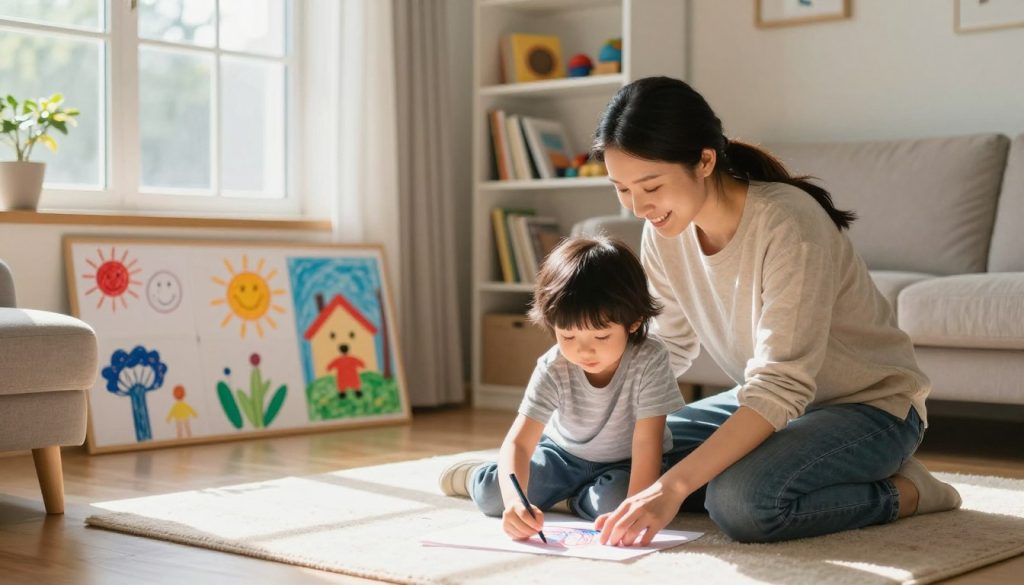
Encourage Creative Self-Expression
Encouraging creative self-expression is vital for a child’s emotional growth. It allows them to explore their feelings and thoughts in a healthy manner.
Provide Materials for Art and Imaginative Play
Providing various materials for art and imaginative play can stimulate creativity. This can include paints, crayons, dolls, and building blocks.
Create a Judgment-Free Space for Creativity
It’s essential to create a space where your child feels safe to express themselves without fear of judgment. This encourages them to be more open and creative.
Teach Practical Coping Skills
Teaching children practical coping skills helps them manage stress and difficult emotions. This is crucial for their mental health.
Practice Deep Breathing Exercises Together
- Deep breathing can calm the mind and body.
- Regular practice can help reduce anxiety.
Help Your Child Name Their Emotions
Helping your child identify their emotions is a fundamental step in teaching them how to manage those emotions effectively.
Create a Calm-Down Corner or Toolkit
A calm-down corner or toolkit can provide your child with a safe space to regulate their emotions. This can include items like soft toys, coloring books, or guided meditation.
Build Confidence and Self-Esteem
Building confidence and self-esteem in children is crucial for their overall development. It influences how they perceive themselves and their abilities.
Praise Effort Over Results
Praising effort rather than just results encourages children to value hard work and persistence.
Encourage Healthy Risk-Taking
Encouraging healthy risk-taking helps children develop resilience and confidence in their abilities.
Discover Healthy Parenting Inspiration for Your Journey
The path to positive parenting is paved with inspiration, support, and a wealth of knowledge. As parents navigate the complexities of raising their children, staying motivated and inspired is crucial for fostering a nurturing environment.
Connect with Supportive Parent Communities
Being part of a community that understands the challenges and joys of parenting can be incredibly uplifting. Supportive parent communities offer a platform to share experiences, seek advice, and learn from others.
Join Local Parenting Groups
Local parenting groups provide an opportunity to connect with parents in your area, participate in activities, and build lasting relationships. These groups often organize events, workshops, and meetings that can be a great source of healthy parenting inspiration.
Participate in Online Support Networks
Online forums and social media groups dedicated to parenting can be a valuable resource for connecting with a wider community, accessing a wealth of information, and finding support at any time.
Learn from Evidence-Based Resources
Staying informed with the latest research and expert advice is vital for effective parenting. Evidence-based resources can guide parents in making informed decisions.
Follow Reputable Child Development Experts
Following experts in child development on social media or through blogs can provide parents with mindful parenting techniques and the latest insights into child psychology.
Read Books on Positive Parenting
There are numerous books available that offer guidance on positive parenting practices, providing parents with strategies and techniques to improve their parenting skills.
Attend Parenting Workshops or Classes
Workshops and classes are an excellent way to learn new parenting skills, ask questions, and interact with other parents who share similar interests and challenges.
Prioritize Your Own Self-Care
Taking care of oneself is essential to being a effective and nurturing parent. Self-care is not a luxury, but a necessity for maintaining the physical, emotional, and mental well-being needed to support your child’s development.
Schedule Time for Your Own Needs
Making time for activities that nourish your mind, body, and spirit is crucial. Whether it’s reading, exercising, or simply taking a relaxing bath, prioritizing your needs helps you recharge.
Practice Mindfulness and Stress Management
Engaging in mindfulness practices and learning stress management techniques can significantly improve your ability to parent with patience, understanding, and compassion.

Create a Caring and Supportive Family Environment
Creating a warm and loving home environment is essential for fostering healthy relationships among family members. A caring and supportive family setting is vital for the emotional and psychological development of children.
Establish Meaningful Family Traditions
Family traditions play a significant role in creating lasting memories and strengthening family bonds. By establishing consistent and meaningful practices, families can foster a sense of unity and belonging.
Start Weekly Family Meetings
Weekly family meetings provide an opportunity for everyone to come together, share their experiences, and discuss any challenges they are facing. This practice helps in fostering open communication and teamwork.
Celebrate Small Moments Together
Celebrating small achievements and everyday moments can significantly enhance the sense of togetherness and appreciation within a family. It’s about recognizing the little things that make a big difference.
Foster Open and Honest Communication
Open and honest communication is the backbone of a supportive family environment. It encourages family members to express their feelings and thoughts without fear of judgment.
Create Safe Spaces for Difficult Conversations
Creating a safe and non-judgmental space where family members feel comfortable discussing difficult topics is crucial. This can be achieved by being approachable and empathetic.
Practice Non-Judgmental Responses
Responding to family members without judgment helps in building trust and encourages open communication. It’s about understanding and validating each other’s feelings.
Recognize Growth and Effort
Acknowledging and appreciating the efforts and growth of family members is essential for boosting their confidence and motivation.
Celebrate Progress, Not Just Achievement
Celebrating progress, no matter how small, is as important as celebrating achievements. This practice helps in recognizing the hard work and effort put in by family members.
Create Visual Reminders of Success
Creating visual reminders such as a family success chart or a gratitude jar can be a great way to acknowledge and celebrate the successes and efforts of family members.
| Family Tradition | Benefits | Tips for Implementation |
|---|---|---|
| Weekly Family Meetings | Enhances communication, teamwork, and problem-solving | Schedule a consistent day and time, ensure everyone’s participation |
| Celebrating Small Moments | Fosters appreciation, gratitude, and togetherness | Be spontaneous, involve everyone in the celebration planning |
| Safe Spaces for Conversations | Encourages open and honest communication | Create a comfortable environment, practice active listening |
Conclusion
As we’ve explored throughout this article, fostering a caring and supportive family environment is crucial for positive child development. By incorporating healthy parenting inspiration into your daily life, you can nurture your child’s well-being and help them thrive.
By building deep emotional connections, establishing healthy daily routines, and implementing positive discipline techniques, you can create a strong foundation for your child’s future success. Continue to seek out healthy parenting inspiration and remain committed to your journey of fostering a nurturing environment.
By doing so, you’ll be better equipped to support your child’s growth and development, helping them become confident, capable, and compassionate individuals. As you move forward on this journey, remember that every effort you make has a lasting impact on your child’s life.