
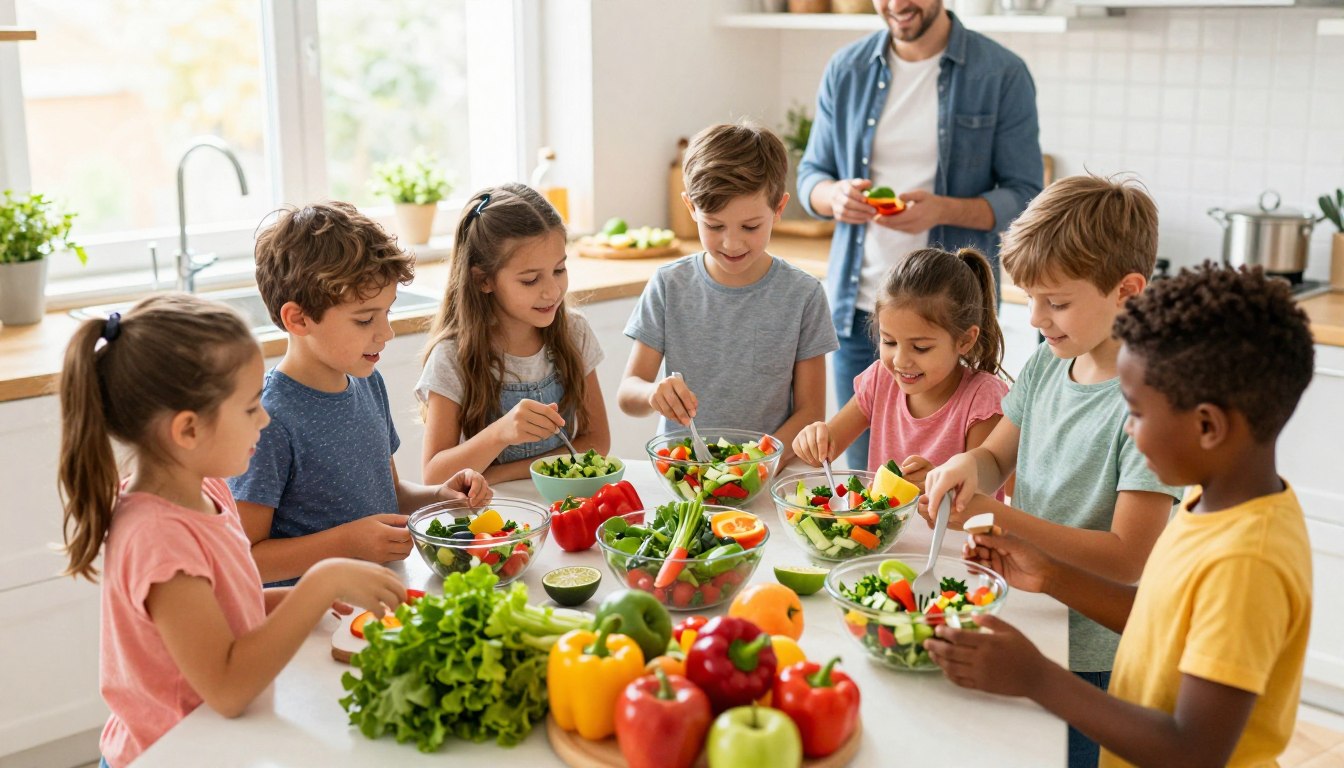
Did you know children often require fifteen separate attempts before accepting a single new vegetable? Research shows many parents stop offering nutritious options after just three rejections. This gap creates a major hurdle in motivating kids to eat healthy during their early years.
Establishing beneficial nutritional routines for youngsters feels like an uphill battle when processed nuggets win every time. However, building a strong foundation now ensures long-term wellness and growth. We will explore straightforward, effective strategies for transforming mealtime for positive experiences.
Consistency is the secret ingredient for success. By using small adjustments, you can guide children toward better choices without unpleasant mealtime confrontations. Let’s dive in for practical ways for fostering a lifetime of wellness.
Key Takeaways
- Consistency remains vital for long-term success.
- Repeated exposure matters more than immediate results.
- Model positive behavior during every family meal.
- Keep portions small and manageable for little ones.
- Avoid power struggles over specific food choices.
- Celebrate small victories with new flavors and textures.
1. Understand Why Kids Resist Healthy Foods
It’s essential to comprehend the underlying reasons for kids’ resistance to healthy foods to foster a positive relationship with nutritious eating. Kids’ eating habits are influenced by a combination of biological, psychological, and environmental factors.
Biological Factors That Influence Food Preferences
Biological factors play a significant role in shaping kids’ food preferences. Children’s taste preferences are innate, and they are more inclined towards certain flavors.
Natural Preference for Sweet and Salty Flavors
Kids are naturally drawn to sweet and salty flavors. As Dr. Julie Mennella, a developmental psychobiologist, notes, “Infants and young children prefer sweet tastes, which is an evolutionary adaptation to ensure they consume energy-rich foods.” This innate preference can make it challenging for parents to encourage the consumption of less sweet or salty healthy foods.
Heightened Sensitivity to Bitter Tastes
Some children are more sensitive to bitter tastes, which can affect their willingness to eat certain healthy foods like vegetables. Research suggests that genetic variations can influence an individual’s perception of bitterness, making some kids more prone to rejecting bitter-tasting foods.
Psychological Barriers to Trying New Foods
Psychological factors also significantly impact kids’ eating habits. Children’s willingness to try new foods can be influenced by their natural curiosity and comfort level with familiar foods.
Food Neophobia in Young Children
Food neophobia, or the fear of trying new foods, is common in young children. As
“Children often exhibit food neophobia as a normal part of their development, and it’s essential for parents to be patient and persistent in offering a variety of healthy foods.”
Exposure to new foods can help children become more adventurous eaters over time.
The Comfort of Familiar Foods
Kids often prefer familiar foods because they provide a sense of comfort and security. This preference can make it challenging for parents to introduce new, healthier options.
Common Misconceptions About Healthy Food
Many parents have misconceptions about healthy food that can affect their approach to encouraging healthy eating in their kids. For instance, some believe that healthy food must be bland or unappetizing. However, with a little creativity, healthy meals can be both nutritious and delicious.
By understanding the biological and psychological factors that influence kids’ food preferences, parents can develop effective strategies to encourage healthy eating habits in their children.
2. Make Healthy Foods Fun and Visually Appealing
By making healthy foods visually appealing, parents can motivate their kids to make better dietary choices. One of the key strategies is to present healthy foods in a way that is both fun and engaging for children.
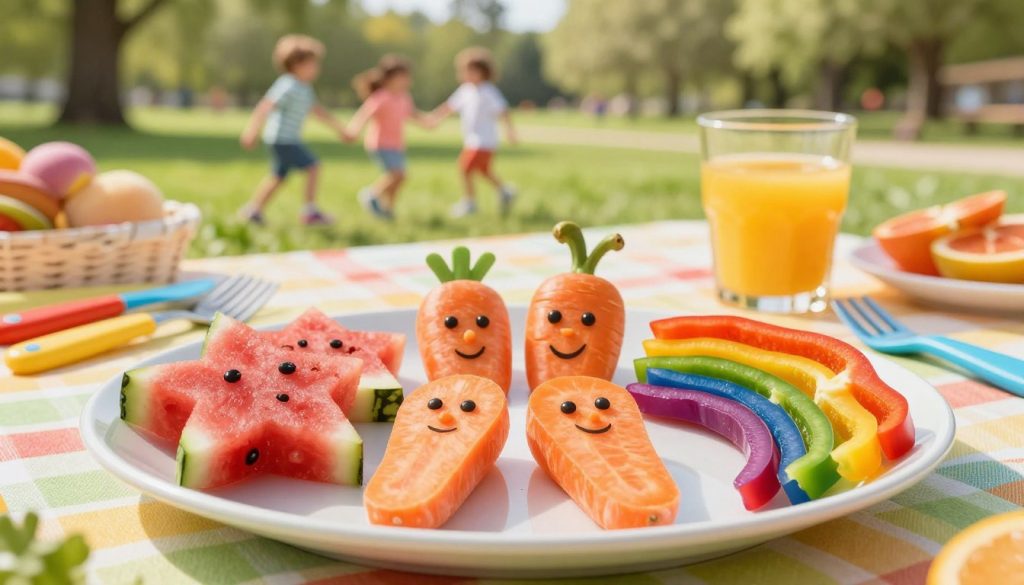
Create Colorful Rainbow Plates
Creating a colorful plate with a variety of foods can make mealtime more appealing. Aim for a rainbow of colors to ensure a range of nutrients. This can include:
- Red bell peppers or tomatoes
- Orange carrots or sweet potatoes
- Yellow corn or bananas
- Green broccoli or cucumbers
- Blueberries or purple grapes
This approach not only makes the meal look more appetizing but also teaches kids about different food groups.
Use Cookie Cutters and Fun Shapes
Using cookie cutters to cut out fun shapes from bread, cheese, or fruits can make mealtime more engaging. Kids love food that is cut into shapes like animals or stars. This simple trick can make healthy foods more appealing.
Build Food Art and Creative Arrangements
Building food art on the plate can be a fun and creative way to present meals. This can include making patterns or designs with food.
Veggie Faces and Animal Designs
Create faces or animals using vegetables and other foods. For example, use sliced veggies to create a smiley face or arrange fruits to look like a cat.
Theme-Based Meal Presentations
Theme-based meals, such as a “pirate’s treasure” or “fairy garden,” can add an element of fun to mealtime. Use food to create a theme that your child will enjoy.
Give Foods Exciting Names
Giving healthy foods fun and exciting names can make them more appealing to kids. For example, calling broccoli “superfood trees” or carrots “orange rockets” can make them sound more interesting.
3. Involve Kids in Food Preparation and Planning
Engaging kids in the process of preparing and planning meals can be a game-changer for their eating habits. By giving them a sense of ownership and responsibility, parents can encourage kids to be more adventurous with their food choices.
Take Them Grocery Shopping
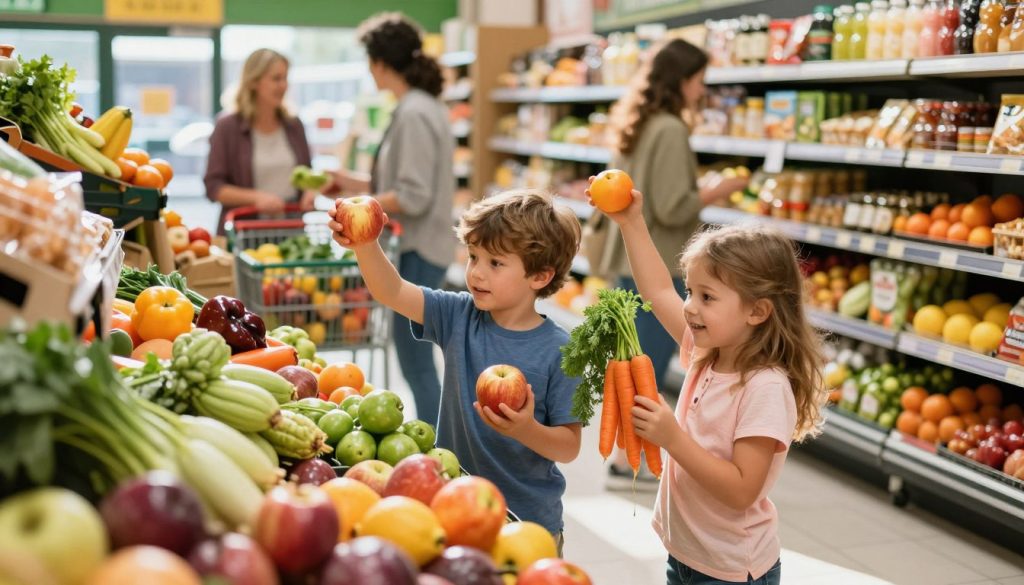
One of the simplest ways to involve kids in food preparation is by taking them grocery shopping. This experience can be both educational and fun.
Let Them Pick Out Produce
Allow kids to pick out fruits and vegetables they like. This can make them more excited about trying new foods. For example, many stores have sample sections where kids can taste different produce.
Teach Them to Read Labels Together
Use the grocery shopping trip as an opportunity to teach kids about reading food labels. Explain the importance of ingredients, nutritional content, and expiration dates. This can help them make informed choices about the food they eat.
Grow a Small Garden Together
Gardening is another excellent way to engage kids in the process of food preparation. By growing their own fruits and vegetables, kids can develop a deeper appreciation for the food they eat.
- Start with easy-to-grow plants like tomatoes or herbs.
- Involve kids in every step of the gardening process, from planting to harvesting.
- Use this opportunity to teach kids about where their food comes from and the effort required to grow it.
Assign Age-Appropriate Kitchen Tasks
Assigning kitchen tasks to kids can help them feel more involved in meal preparation. The tasks should be appropriate for their age and skill level.
Tasks for Toddlers and Preschoolers
For younger kids, simple tasks like washing fruits and vegetables or mixing ingredients can be a great introduction to cooking.
Tasks for School-Age Children
Older kids can take on more responsibility, such as measuring ingredients, stirring, or even cooking simple meals under supervision.
- Let them help with meal prep, like chopping soft fruits or vegetables.
- Encourage them to follow simple recipes.
- Teach them about kitchen safety and hygiene.
Let Them Plan One Meal Per Week
Giving kids the responsibility to plan one meal per week can be a great way to encourage them to try new foods. Let them choose a recipe, make a shopping list, and help with the preparation.
This not only teaches them about meal planning but also about the importance of nutrition and cooking.
4. Strategies for Motivating Kids to Eat Healthy Through Positive Role Modeling
As a parent, you have the power to inspire healthy eating habits in your kids by being a positive role model. Children often mimic the behaviors of their parents, so it’s essential to demonstrate healthy eating habits yourself.
Eat the Same Healthy Foods Yourself
Eating a balanced diet is crucial for parents to model healthy eating habits for their kids. When children see their parents enjoying a variety of fruits, vegetables, whole grains, and lean proteins, they are more likely to do the same. Make mealtime a family affair by sitting down together and sharing healthy meals.
Some ways to model healthy eating include:
- Eating a variety of colorful fruits and vegetables
- Incorporating whole grains into your meals
- Choosing lean protein sources like poultry and fish
- Limiting sugary drinks and snacks
Show Genuine Enthusiasm About Nutritious Meals
Expressing enthusiasm for healthy food can be contagious and encourage kids to try new foods. When you show excitement about trying new recipes or flavors, your kids are more likely to be adventurous with their food choices. Share your favorite healthy recipes and involve your kids in the cooking process to make mealtime more engaging.
Avoid Negative Talk About Food or Body Image
Negative comments about certain foods or body image can have a lasting impact on a child’s relationship with food. Avoid labeling foods as “good” or “bad,” and refrain from making negative comments about your own or others’ body shapes or sizes. Instead, focus on the benefits of healthy eating and the importance of self-care.
Share Your Own Healthy Eating Journey
Sharing your personal experiences with healthy eating can help your kids understand the value of making healthy choices. You can talk about how you’ve learned to make healthier choices over time and the benefits you’ve experienced. This can help your kids see that developing healthy habits is a journey, not a destination.
Some tips for sharing your healthy eating journey include:
- Talking about your favorite healthy foods and why you enjoy them
- Sharing stories of how you’ve overcome challenges in maintaining a healthy diet
- Involving your kids in your meal planning and grocery shopping
5. Create a Positive Eating Environment
Establishing a supportive atmosphere during meals can greatly impact kids’ eating habits. A positive eating environment encourages children to develop a healthier relationship with food, making mealtime more enjoyable for the whole family.
Establish Regular Family Meal Times
Regular family meals provide an opportunity to model healthy eating behaviors and create a sense of togetherness. By eating together, parents can influence their kids’ food choices and encourage them to try new foods. It’s essential to make mealtime a positive experience, free from stress and distractions.
Remove Distractions During Meals
To create a distraction-free environment, consider the following strategies:
Turn Off Screens and Devices
Turning off screens and devices during meals helps kids focus on their food and the company around them. This simple act can significantly enhance the dining experience and encourage mindful eating.
Create Conversation-Friendly Atmosphere
Encouraging conversation during meals can make the experience more enjoyable. Ask open-ended questions, share stories, or discuss topics of interest to create a warm and engaging atmosphere.
Keep Healthy Snacks Visible and Accessible
Making healthy snacks visible and easily accessible is a simple yet effective way to promote healthy eating. By placing fruits, nuts, or cut vegetables in visible locations, parents can encourage their kids to make healthier choices.
Limit Unhealthy Options Without Creating Forbidden Foods
It’s crucial to limit unhealthy food options without making them seem forbidden. This approach can help prevent overindulgence and reduce the likelihood of kids developing an unhealthy obsession with restricted foods. Instead, focus on offering a variety of healthy choices and explain the benefits of different food groups.
6. Handle Picky Eating and Resistance
Handling picky eating effectively involves a combination of strategies that make mealtime more positive and engaging. It’s a common challenge many parents face, and understanding the right approaches can significantly impact a child’s eating habits.
Use the One Bite Rule Approach
The One Bite Rule is a simple yet effective strategy. It involves encouraging children to take at least one bite of a new or disliked food. This approach helps them become accustomed to new tastes and textures without feeling overwhelmed.
Making it fun: You can make this rule more engaging by creating a “taste test” game where kids guess the ingredients or rate the food on a fun scale.
Offer Choices Within Healthy Boundaries
Providing choices can empower kids and make them more willing to try new foods. For example, you can ask them to choose between two healthy options for dinner, such as steamed broccoli or roasted carrots.
Example: “Do you want broccoli or carrots with your chicken tonight?” This not only gives them a sense of control but also ensures they are still eating healthy.
Avoid Using Food as Reward or Punishment
Using food as a reward or punishment can create unhealthy associations and eating habits. It’s essential to avoid practices like giving dessert as a reward for finishing a meal or withholding treats as punishment.
Why Dessert Bribes Backfire
Dessert bribes can lead to an unhealthy obsession with sweets and create an expectation that healthy foods are less desirable. This can negatively impact eating habits and overall health.
Better Reward Systems to Try
Instead of using food, try rewarding your child with non-food items, such as stickers, extra storytime, or a fun activity. This helps maintain a positive relationship with healthy foods.
Be Patient with Repeated Exposures
It can take multiple attempts before a child accepts a new food. Being patient and consistently offering a variety of foods is crucial.
The 10-15 Exposure Rule
Research suggests that it can take between 10 to 15 exposures to a new food before a child accepts it. Persistence and patience are key.
7. Conclusion
By implementing the strategies outlined in this article, parents can play a significant role in motivating kids to eat healthy and develop healthy eating habits for kids. From making healthy foods fun and visually appealing to involving kids in food preparation and planning, there are numerous parenting tips for healthy eating that can be employed.
Creating a positive eating environment and handling picky eating and resistance are also crucial in encouraging kids to adopt healthy eating habits. By establishing regular family meal times, removing distractions during meals, and limiting unhealthy options, parents can foster a healthy relationship with food.
Ultimately, motivating kids to eat healthy requires patience, consistency, and positive role modeling. By following these tips and being committed to promoting healthy eating habits, parents can help their kids develop a lifelong appreciation for nutritious foods.