
Owning a reliable automobile is essential for navigating the vast roads across the United States. Following a consistent car maintenance checklist helps ensure your transport remains dependable and safe for every journey.
By performing routine car maintenance, you can catch minor issues before they turn into expensive repairs. Simple actions like checking fluid levels or inspecting tire pressure go a long way in protecting your investment.
Our comprehensive vehicle maintenance checklist provides the guidance you need to stay on top of your auto health. We also include expert car care tips to help you understand when to visit a professional mechanic versus handling tasks at home.
Always consult your owner’s manual to align these suggestions with your specific model’s requirements. Staying proactive is the best way to enjoy peace of mind behind the wheel.
Key Takeaways
- Regular inspections prevent costly mechanical failures.
- Always follow the service intervals found in your owner’s manual.
- Monitoring fluid levels is vital for engine longevity.
- Proper tire pressure improves fuel efficiency and road safety.
- Early detection of worn parts saves significant money over time.
Car Maintenance Checklist for Routine Safety and Reliability
Taking a few minutes each month to check your vehicle can save you from costly repairs later. Consistent care ensures your car remains a reliable partner on the road, keeping you and your passengers safe during every trip.
Check Engine Oil, Coolant, Brake Fluid, and Windshield Washer Fluid
Performing a regular engine oil check is vital for engine longevity. Pull the dipstick, wipe it clean, and reinsert it to verify that the oil level sits within the designated marks.
While under the hood, inspect your coolant levels to prevent overheating. You should also verify that your brake fluid is clean and filled to the proper line, as this is critical for stopping power. Don’t forget to top off your windshield washer fluid for clear visibility during storms.
Inspect Tire Pressure, Tread Depth, and Spare-Tire Readiness
Proper tire pressure is essential for fuel efficiency and handling. Always measure your pressure when the tires are cold to get an accurate reading.
Check your tire tread depth regularly to ensure you have enough grip on the road. If the tread is below 2/32 of an inch, it is time for a replacement. Always confirm that your spare tire is inflated and ready for an emergency.
Test Brakes, Lights, Wipers, and Windshield Visibility
Walk around your vehicle to ensure all headlights, turn signals, and brake lights function correctly. A quick test of your wipers will confirm they clear the glass without streaking.
If you notice any unusual noises when braking, have a professional inspect your system immediately. Clear visibility is a non-negotiable safety requirement for every driver.
Maintain the Battery, Belts, Hoses, and Air Filters
Your engine relies on several rubber components and electrical parts to function. Inspecting these items helps you avoid a breakdown in the middle of a commute.
Watch for Corrosion, Cracks, Leaks, and Loose Connections
- Check battery terminals for white or blue corrosion.
- Look for cracks or fraying on serpentine belts.
- Inspect hoses for soft spots or signs of leaking fluid.
- Replace dirty air filters to improve engine performance.
Follow Mileage-Based Service for Oil Changes and Fluid Replacement
Sticking to a consistent oil change schedule is the best way to protect your engine’s internal parts. Over time, fluids break down and lose their protective properties, making timely replacement necessary.
Use the Owner’s Manual for Maintenance Intervals
Your vehicle’s owner’s manual is the ultimate guide for your specific model. It provides precise details on fluid types and the exact service intervals recommended by the manufacturer. Following these guidelines will keep your car running smoothly for years to come.
How to Spot Problems and Plan Maintenance on US Roads
Understanding how your car communicates its needs can save you from expensive repairs down the road. By paying close attention to subtle changes in performance, you can catch issues before they become major safety hazards.
Recognize Warning Signs That Need Prompt Attention
Your vehicle often provides subtle clues when something is not quite right. Learning to identify these car warning signs early is essential for maintaining long-term reliability.
Respond to Dashboard Warning Lights, Strange Noises, and Vibrations
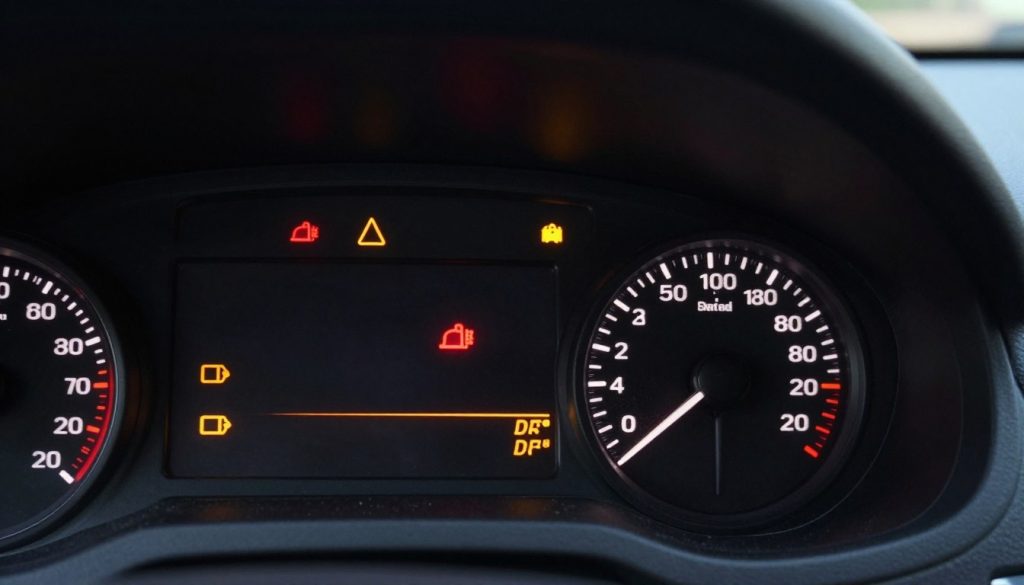
When dashboard warning lights illuminate, they act as an immediate alert from your car’s computer. Never ignore a flashing check engine light or a brake system warning, as these indicate critical faults that require professional inspection.
Beyond lights, listen for unusual noises like grinding, squealing, or clunking sounds. If you feel vibrations in the steering wheel or notice fluid spots under your vehicle, these are clear indicators that your car needs a checkup.
Prepare for Seasonal Driving and Extreme Weather
Effective seasonal car maintenance ensures your vehicle remains dependable regardless of the climate. Adapting your routine to the specific demands of the environment prevents premature wear and tear.
Adjust Care for Winter Cold, Summer Heat, and Road Salt
During winter car care, focus on your battery health and tire traction, as cold temperatures significantly reduce battery power. It is also vital to wash your car frequently to remove road salt, which causes rapid corrosion on the undercarriage.
When transitioning to summer car maintenance, check your cooling system and air conditioning performance. High heat puts extra strain on your engine and tires, so ensure your coolant levels are topped off and your tire pressure is set to the manufacturer’s recommended specifications.
Keep Service Records and Build an Emergency Car Kit
Maintaining a detailed log of all repairs and oil changes helps you track your vehicle’s history. This documentation is invaluable when you need to troubleshoot recurring issues or when you decide to sell your car.
Include Jumper Cables, a Tire Inflator, a Flashlight, and Basic Supplies
Every driver should carry a well-stocked emergency kit to handle unexpected roadside situations. Being prepared provides peace of mind during long trips or sudden breakdowns.
- Jumper cables or a portable jump starter for dead batteries.
- A reliable tire inflator to handle slow leaks.
- A bright flashlight with extra batteries for nighttime repairs.
- Basic tools, a first-aid kit, and a blanket for extreme weather.
Conclusion
Taking charge of your vehicle care ensures your car remains a reliable partner for every trip. Consistent checks on fluids, tires, and lights prevent small issues from turning into expensive repairs. You gain peace of mind when you prioritize these simple habits.
Organizing your maintenance records helps you track service intervals and upcoming needs with ease. This habit keeps your vehicle history clear and boosts resale value over time. You stay ahead of potential mechanical failures by following a structured plan.
Preparation remains the best strategy for any driver facing unexpected trouble. Stowing a well-stocked emergency car kit in your trunk provides security during long drives. Reliable tools like jumper cables allow you to restart a dead battery without waiting for help.
A portable tire inflator serves as a vital asset when you encounter low pressure on remote roads. These items turn stressful situations into manageable tasks. Start building your safety kit today to enjoy every mile with confidence.