
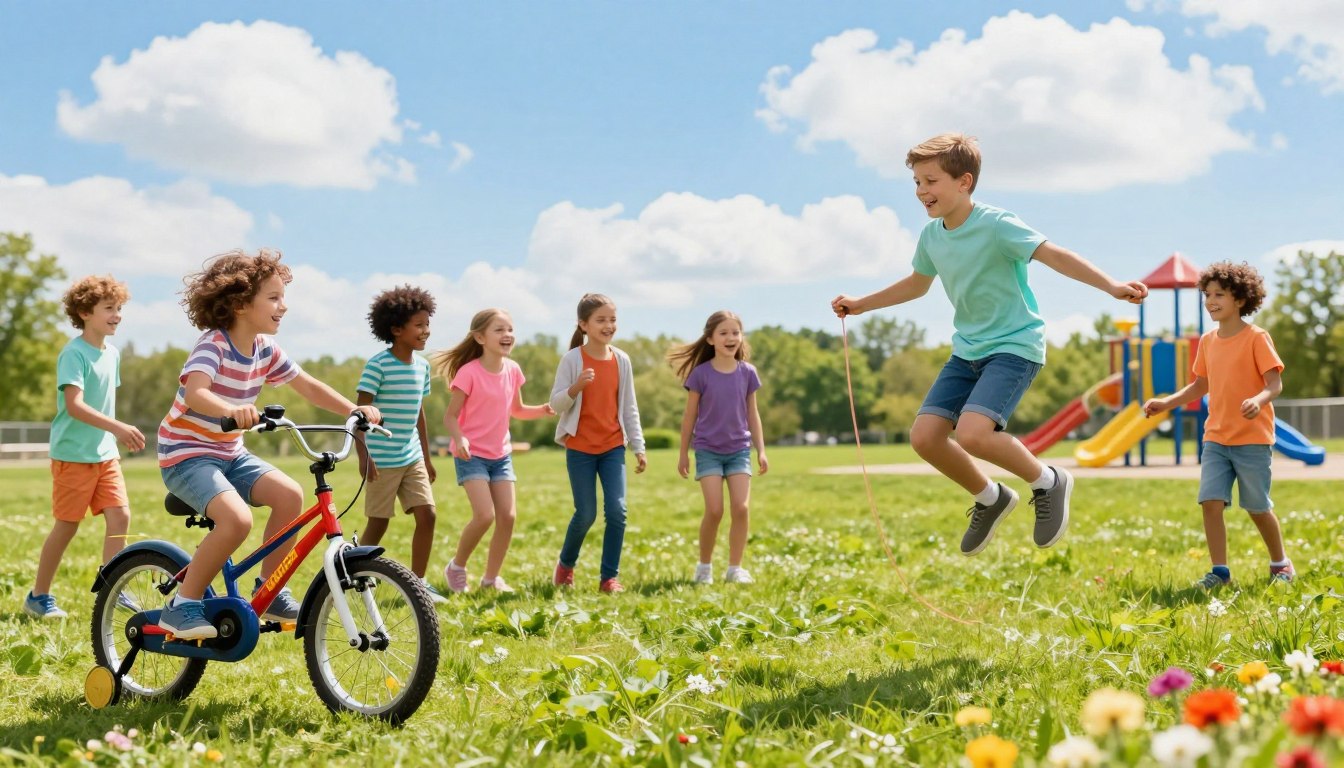
Did you know that active youngsters are 20% more likely to earn top grades in school subjects like math and English? Moving more does not just build strong muscles; it actually sharpens young minds for a lifetime of academic success. This surprising link between physical activity and brainpower shows why movement is so vital for growth.
Creating a healthy lifestyle for kids starts with small, daily choices that make movement feel like play rather than a chore. When we lead by example, our little ones learn to appreciate being active from the very start. Simple family walks or backyard games can make a massive difference in their overall well-being.
By fostering joy through regular movement, we can succeed in inspiring children fitness habits that truly stick for the long haul. This guide explores simple, practical ways to keep your family moving and feeling great every single day. We want to make health an achievable goal for every household.
We will look at fun games, simple goal-setting, and ways to stay motivated without the added stress. Let’s start this journey toward a more vibrant and energetic home life for all our children. Together, we can build a future where staying active is the most natural part of the day.
Key Takeaways
- Active play boosts brain function and improves school performance significantly.
- Parents should lead by example to encourage a love for movement.
- Consistency is more important than intensity when starting new routines.
- Small daily choices lead to long-term physical and mental health benefits.
- Making activity enjoyable ensures it remains a permanent part of life.
- Proper nutrition and hydration support an energetic and active family.
Why Building Fitness Habits Early Sets Kids Up for Success
Instilling active habits in children is a gift that keeps on giving, benefiting them throughout their lives. By introducing physical activity early, parents can set their kids on a path to a healthier, happier future. This foundational step is crucial for their overall development and long-term wellbeing.
Regular physical activity from a young age has a profound impact on various aspects of a child’s life, from their physical health to their mental wellbeing and academic performance. It’s essential to understand the multifaceted benefits of early fitness habits to appreciate their significance fully.
The Long-Term Health Benefits of Childhood Activity
Engaging in regular physical activity during childhood has numerous long-term health benefits. It helps in developing strong bones and muscles, improving cardiovascular health, and reducing the risk of obesity and related health issues later in life. Active children are also more likely to grow into active adults, maintaining these health benefits over time.
Moreover, early engagement in physical activity can significantly reduce the risk of chronic diseases, such as heart disease, diabetes, and certain types of cancer. By instilling active habits early, parents can help their children build a strong foundation for a healthy life.
How Early Habits Shape Adult Behaviors
The habits formed during childhood often persist into adulthood. By establishing a routine of regular physical activity, children are more likely to continue this behavior as adults. This continuity is crucial for maintaining long-term health and wellbeing.
Furthermore, early exposure to various physical activities can help children discover their interests and talents, potentially leading to a lifelong engagement in sports or exercise. This not only contributes to their physical health but also enhances their mental wellbeing and social skills.
The Connection Between Physical Activity and Academic Performance
There is a significant body of evidence suggesting a positive correlation between physical activity and academic performance. Regular exercise has been shown to improve cognitive function, enhance concentration, and boost memory, all of which are essential for academic success.
By incorporating physical activity into their daily routine, children can experience these cognitive benefits firsthand, potentially leading to better grades and a more positive attitude towards learning. This makes motivating youth exercise routines a valuable investment in their educational outcomes.
Step 1: Understand What Motivates Your Child to Move
The journey to inspiring fitness habits in kids begins with understanding what motivates them to move. Every child is different, with unique interests and energy levels that can significantly influence their willingness to engage in physical activity.
Identify Their Natural Interests and Energy Levels
Children often have innate preferences for certain types of activities. Some may enjoy team sports, while others might prefer individual activities like running or dancing. Observing your child’s natural inclinations can help you tailor activities that they will enjoy and stick to.
Key considerations:
- Does your child enjoy competitive environments or prefer non-competitive activities?
- Are they more inclined towards energetic activities or those that require strategy and focus?
Match Activities to Age and Development Stage
Different ages and developmental stages require different approaches to physical activity. Matching activities to your child’s age and development stage is crucial for keeping them engaged.
Active Play for Preschoolers (Ages 3-5)
For preschoolers, active play is about exploration and having fun. Activities like tag, hide-and-seek, and simple ball games are ideal.
Structured Activities for Elementary Age (Ages 6-12)
Children in this age group can participate in more structured activities such as team sports (soccer, basketball), swimming, or dance classes. These activities not only promote physical fitness but also teach teamwork and discipline.
Independence and Social Fitness for Teens (Ages 13-18)
Teenagers often seek independence and social interaction. Activities that allow them to socialize while being active, such as joining a sports team or club, are particularly effective.
| Age Group | Recommended Activities | Benefits |
|---|---|---|
| Preschoolers (3-5) | Tag, hide-and-seek, simple ball games | Exploration, motor skill development |
| Elementary Age (6-12) | Team sports, swimming, dance classes | Physical fitness, teamwork, discipline |
| Teens (13-18) | Joining sports teams or clubs | Independence, social interaction, physical fitness |
Listen to Their Preferences Without Forcing
It’s essential to listen to your child’s preferences and involve them in the decision-making process when it comes to physical activities. Forcing them into activities they dislike can lead to a negative association with exercise.
Encouraging open dialogue about their interests and preferences can help in identifying activities that they will enjoy and continue with.
Step 2: Transform Exercise Into Fun and Adventure
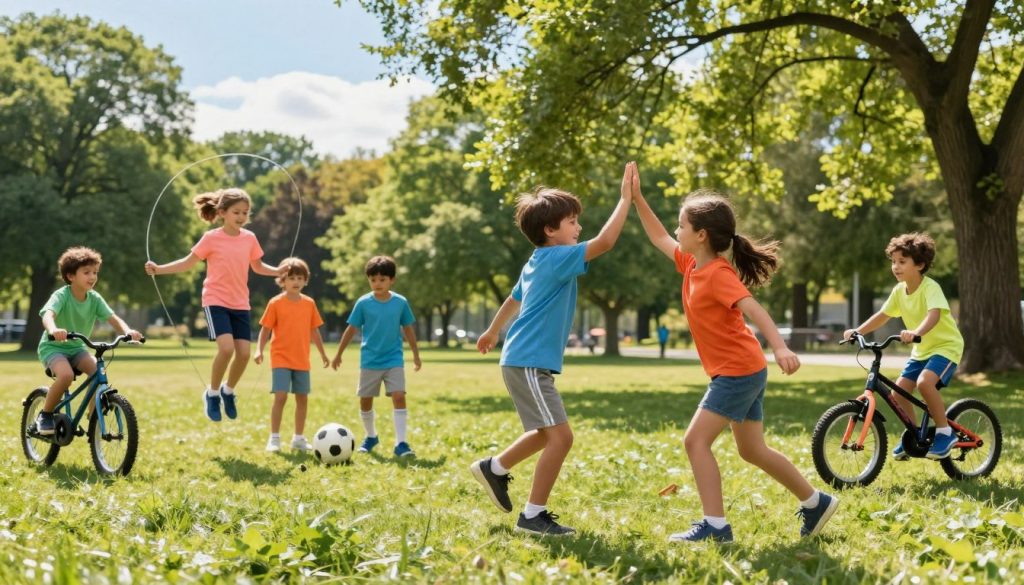
By turning physical activity into fun and adventure, parents can help their kids develop healthy habits that last a lifetime. This approach not only makes exercise more enjoyable but also encourages kids to be more active without feeling like they’re “working out.”
Create Active Games That Don’t Feel Like Workouts
One effective way to make exercise fun is by creating games that promote physical activity without the feeling of a traditional workout. This can be achieved through various engaging activities.
Outdoor Treasure Hunts and Scavenger Hunts
Organizing outdoor treasure hunts or scavenger hunts can be an exciting way to get kids moving. These activities encourage running, climbing, and problem-solving, all while having fun.
Dance Parties and Musical Movement Games
Dance parties and musical movement games are another great way to keep kids active. They promote dancing, jumping, and other forms of movement that are enjoyable for children.
Backyard Obstacle Courses and Ninja Challenges
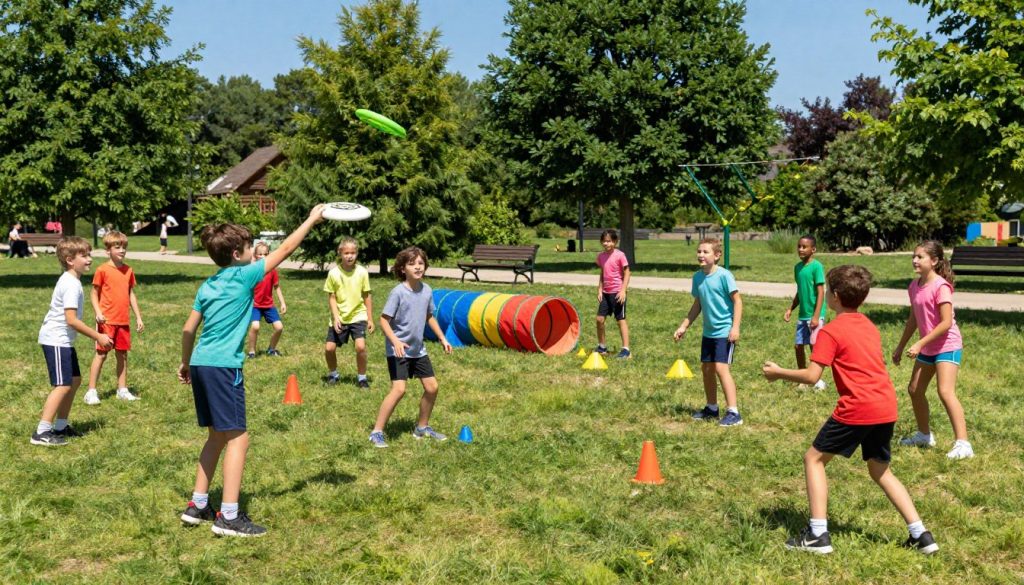
Setting up backyard obstacle courses or ninja challenges can provide kids with a fun way to test their physical skills. These activities help improve agility, strength, and coordination.
Use Storytelling to Make Movement Exciting
Storytelling is a powerful tool that can be used to make movement exciting for kids. By incorporating narratives into physical activities, parents can make exercise feel more like an adventure.
Incorporate Active Video Games and Apps Strategically
While screen time should be limited, active video games and apps can be a useful tool in promoting physical activity. Games that require movement can be a fun way to get kids exercising indoors.
Step 3: Build a Home Environment That Supports Daily Movement
Building a home environment that promotes daily movement is a key step in developing healthy habits in kids. This involves making conscious decisions about how your home is set up and how daily routines are managed to encourage physical activity.
Designate Indoor and Outdoor Active Play Spaces
Designating specific areas for active play, both indoors and outdoors, can significantly encourage kids to be more active. For example, clearing a section of your living room to create a play area or setting up an obstacle course can make indoor play more engaging. Outdoors, ensuring that your backyard or a nearby park is safe and inviting for play can motivate kids to spend more time being active.
“Exercise is the single most powerful tool for optimizing brain function and improving mental health.”
This emphasizes the importance of creating an environment that supports physical activity.
Keep Sports Equipment and Active Toys Easily Accessible
Making sports equipment and active toys easily accessible is another strategy to encourage daily movement. When kids can readily access balls, bikes, or jump ropes, they are more likely to engage in spontaneous physical activity. Organizing storage in a way that is accessible to children can foster independence and encourage them to initiate play.
Set Clear Screen Time Limits and Active Alternatives
Setting clear limits on screen time is crucial in promoting physical activity. By establishing rules around screen time, parents can encourage kids to find alternative activities, such as outdoor games, dance, or sports. Offering active alternatives like a dance party or a scavenger hunt can make a significant difference in a child’s daily activity levels.
| Screen Time Activity | Active Alternative |
|---|---|
| Watching TV | Outdoor play or a family sports game |
| Playing video games | Dance party or indoor obstacle course |
| Browsing a tablet | Scavenger hunt or active craft project |
Integrate Movement Breaks Into Homework and Daily Routines
Integrating movement breaks into daily routines, including homework time, can help increase a child’s overall activity level. Encouraging kids to take short breaks to stretch, jump up and down, or do a few jumping jacks can make a big difference. This not only helps with physical health but can also improve focus and productivity.
By implementing these strategies, parents can create a home environment that supports and encourages daily movement, laying the foundation for developing positive fitness habits in children.
Step 4: Lead by Example and Make Fitness a Family Affair
When families prioritize fitness together, kids are more likely to adopt a lifelong love for physical activity. This approach not only fosters a healthier lifestyle but also strengthens family bonds. By making fitness a family affair, parents can create an environment that encourages and supports active habits in children.
Model an Active Lifestyle Through Your Own Behaviors
Children often mimic the behaviors of their parents, making it essential for adults to model an active lifestyle. Engaging in regular physical activity yourself demonstrates to your kids the importance of fitness and can motivate them to follow your example.
Simple actions like taking the stairs instead of the elevator, going for a jog, or practicing yoga at home can significantly influence your child’s perception of physical activity. It’s not about being perfect; it’s about showing your kids that fitness is a fun and integral part of daily life.
Schedule Regular Family Fitness Activities
Planning regular family fitness activities can help create lasting memories and instill a love for exercise in your children. These activities can vary widely, from outdoor adventures to indoor games.
Weekend Nature Hikes and Bike Rides
Organizing weekend outings that involve hiking or biking can be an excellent way to get everyone moving. These activities not only promote physical health but also allow for quality family time in nature.
Family Sports Nights and Active Game Sessions
Designating specific evenings for family sports nights can be a fun way to stay active indoors. Activities like badminton, table tennis, or even dance-offs can get everyone involved and laughing together.
Active Vacations and Community Events
Planning vacations around active pursuits, such as skiing, kayaking, or visiting local parks, can further reinforce the importance of fitness. Participating in community events like fun runs or charity walks also sets a positive example.
Create Friendly Family Fitness Challenges and Goals
Creating friendly competitions or setting collective fitness goals can be a great motivator. This could involve step challenges or team sports competitions where everyone works together towards a common objective.
| Activity | Age Group | Frequency |
|---|---|---|
| Weekend Hikes | 6-12 years | Once a month |
| Family Sports Nights | 4-16 years | Twice a week |
| Active Vacations | All ages | Once a year |
By incorporating these strategies into your daily life, you can inspire your children to develop healthy fitness habits that will last a lifetime.
Step 5: Use Positive Strategies for Inspiring Children Fitness Habits
To foster a lifelong love of physical activity in children, it’s essential to adopt positive strategies that encourage healthy habits. By focusing on encouragement and support, parents can help their kids develop a strong foundation for a healthy lifestyle for kids. This approach not only promotes physical well-being but also boosts their confidence and overall happiness.
Celebrate Effort and Progress Rather Than Performance
Celebrating effort and progress is crucial in motivating kids to continue their fitness journey. By acknowledging their hard work and improvement, parents can help their children understand that the value of exercise lies in the process, not just the outcome. This mindset helps to foster a positive attitude towards physical activity and reduces the pressure to achieve perfection.
For instance, instead of just praising a child’s performance in a game, parents can commend their effort, persistence, and teamwork. This encourages kids to focus on their personal growth and development, rather than comparing themselves to others.
Set Realistic, Achievable Goals Together
Setting realistic and achievable goals is an effective way to motivate kids to adopt motivating youth exercise routines. By working together to set goals, parents can help their children develop a sense of ownership and responsibility for their fitness journey. This collaborative approach also ensures that the goals are aligned with the child’s interests and abilities.
For example, a child might set a goal to ride their bike for a certain number of days in a row or to master a new skill, like swimming a particular stroke. Achieving these goals can give them a sense of accomplishment and motivate them to continue their progress.
Implement Reward Systems That Encourage Consistency
Implementing reward systems can be an effective way to encourage kids to maintain their fitness habits. By recognizing and rewarding their consistent effort, parents can reinforce positive behaviors and motivate their children to continue their progress.
Rewards don’t have to be extravagant; simple acknowledgments, like stickers or stars on a chart, can be highly effective. The key is to ensure that the rewards are meaningful to the child and are tied to specific achievements or milestones.
Use Encouraging Language and Avoid Body Negativity
The language parents use when discussing fitness and body image can have a significant impact on their child’s attitude towards physical activity. Using encouraging language and avoiding negative comments about body shape or size can help foster a positive body image and promote a healthy relationship with exercise.
By focusing on the benefits of physical activity, such as increased energy and improved mood, parents can help their children develop a positive association with exercise. This approach can also help to reduce the risk of body dissatisfaction and related issues.
Support Their Interest in Sports and Group Activities
Supporting a child’s interest in sports and group activities can be a great way to encourage their fitness habits. By providing opportunities for them to engage in activities they enjoy, parents can help their kids develop a lifelong love of physical activity.
Whether it’s joining a local sports team, participating in a dance class, or simply playing with friends, group activities can provide kids with a sense of belonging and motivation to stay active.
Track Progress With Fun Charts or Activity Journals
Tracking progress can be a fun and motivating way to encourage kids to maintain their fitness habits. By using charts or activity journals, parents can help their children visualize their progress and set new goals.
This approach can also provide an opportunity for parents to engage with their child and discuss their progress, challenges, and achievements. By making tracking progress a positive and enjoyable experience, parents can help their kids develop a long-term commitment to physical activity.
Conclusion
Instilling fitness habits in children is a gift that lasts a lifetime, setting them up for success in both their physical and mental well-being. By understanding what motivates your child, making exercise fun, creating an active home environment, leading by example, and using positive reinforcement strategies, you can play a significant role in encouraging children to be active.
Fostering healthy habits in kids requires patience, consistency, and a supportive environment. As parents, you have the power to shape your child’s attitude towards physical activity and influence their future health outcomes. By implementing the strategies discussed, you can help your child develop a lifelong love for exercise and healthy living.
Developing positive fitness habits in children is not just about the immediate benefits; it’s an investment in their future. Active, healthy kids are more likely to grow into active, healthy adults, equipped with the habits and mindset necessary to tackle life’s challenges. By starting early and making fitness a family affair, you can help your child build a strong foundation for a happy, healthy life.