
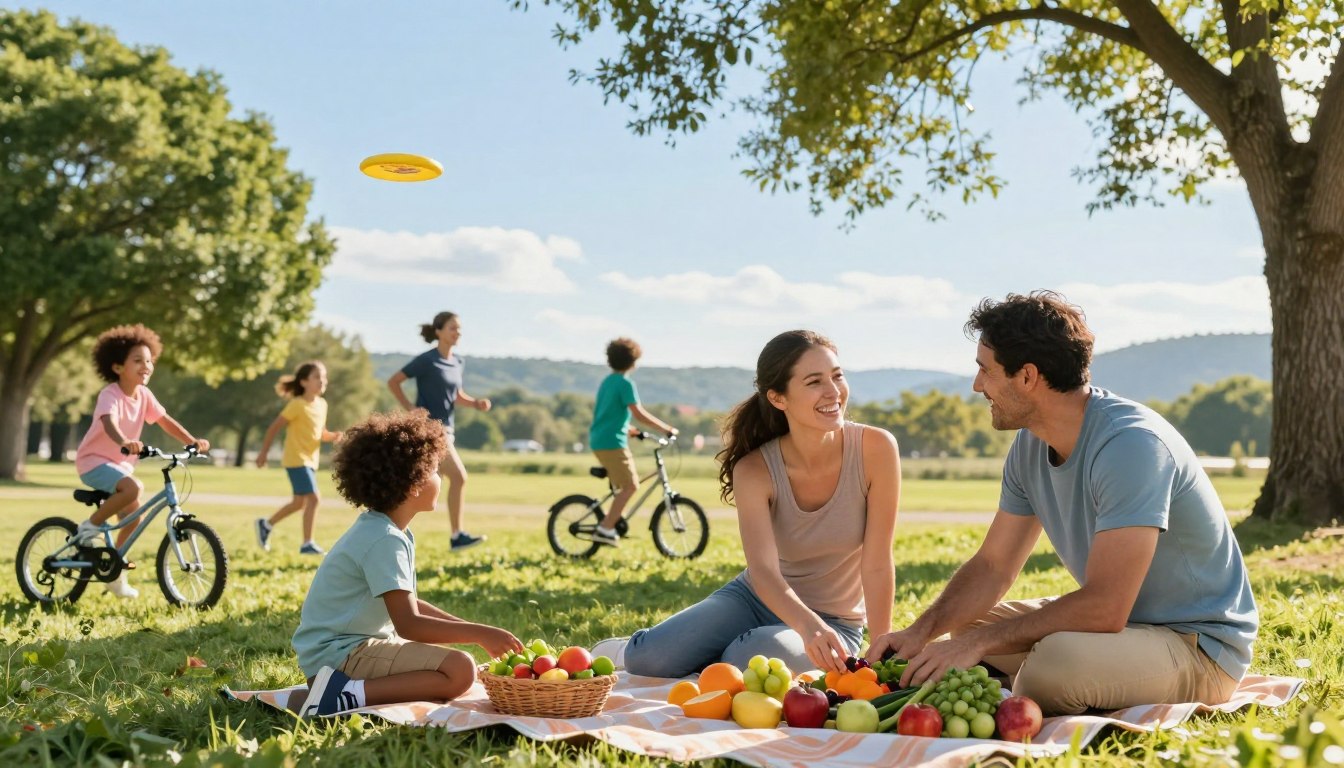
Did you know that children who establish wellness habits early are nearly 40% less likely to face chronic illness later in life? This surprising fact highlights the immense power parents hold in shaping a bright future. It proves that the choices we make today have lasting effects on the next generation.
Fostering a healthy lifestyle for children starts with small, consistent steps right at the dinner table. You do not need to be a fitness expert to make a massive impact on your family’s daily energy levels. Simple shifts in activity and nutrition can lead to incredible transformations for everyone involved.
By focusing on raising health conscious kids, you give your little ones the tools to make smart choices independently. It is about creating a positive environment where wellness feels like a natural part of play and growth. This approach ensures they grow up feeling strong, capable, and ready to thrive.
Every small change you make today builds a foundation for lifelong vitality and happiness. Let’s explore how you can transform your home into a sanctuary of wellness and fun for the whole family. Your journey toward a more vibrant life begins with these simple and effective strategies.
Key Takeaways
- Establish wellness habits early to ensure long-term physical well-being for your family.
- Focus on small, manageable changes in the daily routine to maintain consistency.
- Lead by example to encourage children to mirror positive and active behaviors.
- Make wellness fun by incorporating active play and physical movement into the day.
- Provide nutritious food options while maintaining a positive relationship with every meal.
- Empower children to make their own wellness-focused decisions as they grow older.
Why Health Consciousness Matters for Your Children’s Future
Promoting wellness in children is not just about preventing illness; it’s about fostering a lifelong commitment to health. By instilling healthy habits in kids from a young age, parents can set them on a path to a happier, healthier life. Health consciousness encompasses a broad range of practices, including nutritious eating, regular physical activity, and mental well-being.
Nutritious eating habits form the cornerstone of a child’s health. A diet rich in fruits, vegetables, whole grains, and lean proteins supports growth and development. Moreover, it helps in establishing eating habits that can last a lifetime. Regular physical activity is equally important, as it not only burns calories but also builds strong bones and muscles, improves mood, and enhances sleep quality.
Mental well-being is another critical aspect of health consciousness. Teaching children to manage stress, practice mindfulness, and cultivate positive relationships can significantly impact their mental health. By instilling healthy habits in kids, parents can help them navigate life’s challenges with resilience and confidence.
The benefits of health consciousness extend beyond childhood. Children who grow up with healthy habits are more likely to maintain them into adulthood, reducing their risk of chronic diseases like obesity, diabetes, and heart disease. Thus, promoting wellness in children is an investment in their future health and happiness.
Building a Foundation with Smart Nutrition Choices
Smart nutrition choices play a vital role in building a strong foundation for your children’s future health. A well-balanced diet provides the necessary nutrients for growth, development, and energy. As a parent, it’s essential to make informed decisions about the food your kids eat.
Making Nutritious Foods Appealing and Accessible
Making healthy foods appealing to kids can be a challenge, but there are several strategies that can help. Stocking your kitchen with healthy options is the first step. Ensure that fruits, vegetables, whole grains, and lean proteins are readily available.
Stock Your Kitchen with Healthy Options
Having a well-stocked kitchen means having a variety of healthy foods on hand. This includes:
- Fresh fruits and vegetables
- Whole grain cereals and bread
- Lean proteins like chicken and fish
- Low-fat dairy products

Use Creative Presentation Techniques
Presentation matters, especially for kids. Using creative presentation techniques can make mealtime more engaging. For example, cutting fruits and vegetables into fun shapes or creating a colorful salad can make healthy foods more appealing.
“The way we eat is a reflection of our relationship with food, and it’s crucial to make mealtime a positive experience for kids.”
Teaching Portion Control and Mindful Eating Habits
Teaching kids about portion control and mindful eating is crucial for developing a healthy relationship with food. Mindful eating involves paying attention to hunger and fullness cues.
Help Kids Recognize Hunger and Fullness Cues
Encourage your kids to listen to their bodies and eat when they’re hungry, stopping when they’re full. This helps prevent overeating and develops a healthier eating habit.
Avoid Using Food as Reward or Punishment
Using food as a reward or punishment can create unhealthy associations. Instead, praise your kids for their efforts and accomplishments with non-food rewards.
Involving Kids in Meal Planning and Preparation
Involving kids in meal planning and preparation can be a fun and educational experience. It teaches them about different foods, cooking techniques, and the importance of nutrition.
By engaging your kids in the process, you’re not only teaching them valuable skills but also encouraging them to make healthier choices. As Michelle Obama once said,
“Let’s move! Let’s get our kids eating healthy and being active.”
Encouraging Active Lifestyles Through Fun and Movement
As a parent, one of the most significant gifts you can give your child is the gift of an active lifestyle, rich in fun and engaging physical activities. Encouraging kids to be active is not just about promoting physical health; it’s also about fostering mental well-being and setting the stage for a lifetime of healthy habits.
Finding Age-Appropriate Physical Activities Your Kids Will Love
Engaging in physical activities that are appropriate for their age is crucial for children’s development. It not only ensures their safety but also keeps them interested and motivated.
Activities for Toddlers and Preschoolers
For younger children, activities should be fun and engaging, focusing on basic motor skills. Examples include:
- Playing tag or hide-and-seek
- Dancing to music
- Simple ball games
- Swimming or water play
Options for School-Age Children and Teens
As children grow older, they can participate in more structured activities. Some options include:
- Team sports like soccer, basketball, or volleyball
- Individual sports such as swimming, tennis, or gymnastics
- Dance classes
- Hiking or biking

Limiting Screen Time and Reducing Sedentary Behavior
In today’s digital age, it’s easy for kids to spend too much time in front of screens. Limiting screen time is crucial for promoting an active lifestyle.
Establish Clear Media Guidelines
Setting clear rules about screen time can help children understand the importance of balance. This includes:
- Setting time limits on screen use
- Designating screen-free zones in the home
- Encouraging physical activity as an alternative to screen time
Create Active Alternatives to Screen Time
Finding active alternatives to screen time can be as simple as:
- Playing indoor or outdoor games
- Engaging in arts and crafts
- Reading or storytelling
| Activity Type | Age Group | Examples |
|---|---|---|
| Unstructured Play | Toddlers & Preschoolers | Tag, Hide-and-seek, Dancing |
| Structured Sports | School-age & Teens | Soccer, Basketball, Swimming |
| Creative Activities | All Ages | Arts & Crafts, Dance Classes |
Making Exercise a Family Priority
Involving the whole family in physical activities not only promotes a healthy lifestyle but also creates lasting memories. Plan regular family outings that involve exercise, such as going for a bike ride, playing a sport together, or going on a hike.
By making physical activity a family priority, you create a supportive environment that encourages kids to be active and healthy. This collective approach helps in developing a positive attitude towards exercise and wellness from a young age.
Raising Health Conscious Kids: Practical Daily Strategies
By incorporating simple yet effective habits into daily life, parents can foster a culture of wellness in their kids. This involves creating an environment that supports healthy choices and encourages kids to make informed decisions about their well-being.
Creating Consistent Healthy Routines That Stick
Establishing consistent routines is key to developing healthy habits in kids. When children know what to expect, they are more likely to follow through with healthy behaviors.
Morning Routines That Set the Tone
A well-planned morning routine can set a positive tone for the day. This can include activities such as:
- Having a nutritious breakfast to provide energy and focus
- Engaging in some form of physical activity, like stretching or a short walk
- Planning out the day, including setting goals and priorities
By starting the day on a healthy note, kids are more likely to make healthy choices throughout the day.
After-School Habits for Success
After-school habits are crucial for reinforcing healthy behaviors. This can include:
- Encouraging physical activity, such as playing a sport or simply playing outside
- Limiting screen time and promoting other activities, like reading or drawing
- Having a healthy snack to curb hunger and prevent overeating at dinner
These habits help kids unwind and recharge after a day at school.
Setting Realistic Goals and Celebrating Progress
Setting achievable goals is vital for motivating kids to adopt healthy habits. By celebrating their progress, parents can reinforce positive behaviors and encourage kids to continue making healthy choices.
For example, if a child sets a goal to eat more fruits and vegetables, celebrating their successes along the way can be a great motivator.
Handling Challenges and Setbacks with Positivity
It’s inevitable that kids will face challenges and setbacks on their journey to developing healthy habits. Parents can help by maintaining a positive attitude and encouraging kids to learn from their mistakes.
By focusing on solutions rather than dwelling on problems, parents can help kids develop resilience and perseverance.
Modeling Healthy Behaviors as Parents
As a parent, you’re not just a caregiver, you’re a role model, and the habits you exhibit play a significant role in shaping your child’s perception of a healthy lifestyle. Children learn by observing, and the behaviors you model will likely be adopted by them. Therefore, it’s essential to demonstrate healthy habits that promote overall well-being.
Being the Role Model Your Children Need to See
To effectively model healthy behaviors, you need to be intentional about the habits you display. This includes making healthy food choices, engaging in regular physical activity, and practicing good mental health habits. By doing so, you’ll show your children that a healthy lifestyle is not just a necessity, but a valuable aspect of daily life.
Demonstrate Healthy Eating in Action
One of the most effective ways to encourage healthy eating habits in your children is to demonstrate them yourself. This means making nutritious food choices, preparing healthy meals, and enjoying a variety of fruits and vegetables. When your children see you making healthy food choices, they’re more likely to do the same. For example, you can involve your kids in meal planning and grocery shopping, teaching them about different food groups and the importance of a balanced diet.
Regular physical activity is crucial for maintaining a healthy lifestyle, and as a parent, you can play a significant role in encouraging your children to be more active. By showing enthusiasm for physical activity, you can help your kids develop a lifelong love of exercise. This can be as simple as going for a family walk, playing a sport together, or engaging in a fun physical activity that you both enjoy.
Sharing Your Own Health Journey Authentically
As a parent, it’s not just about modeling healthy behaviors, but also about being authentic and open with your children about your own health journey. By sharing your experiences, both successes and setbacks, you can help your children develop a more nuanced understanding of what it means to live a healthy lifestyle. This can also help them develop resilience and perseverance when faced with challenges.
By being open and honest about your own health journey, you can create a safe and supportive environment where your children feel comfortable discussing their own health concerns. This can help strengthen your relationship with your children and promote a culture of health and wellness within your family.
Creating a Wellness-Focused Home Environment
Fostering a healthy home environment is essential for instilling lifelong wellness habits in your children. By making a few intentional changes around the house, you can significantly influence your kids’ health and well-being.
Organizing Your Kitchen and Pantry for Success
The kitchen is often considered the heart of the home, and organizing it in a way that promotes healthy eating can have a significant impact on your family’s dietary habits. This involves not just what you stock in your pantry but also how you make those choices accessible to your kids.
The Healthy Swaps Strategy
Implementing a healthy swaps strategy can be an effective way to transition your kitchen to a healthier state. Start by replacing unhealthy snacks with nutritious alternatives. For example, swap chips for air-popped popcorn or choose whole-grain crackers over processed ones.
Positioning Nutritious Snacks at Eye Level
Making healthy snacks more visible and accessible can encourage better eating habits. Store fruits and vegetables at eye level in the refrigerator, and keep healthy snack options in easy-to-reach locations.
Establishing Healthy Sleep Habits for Growing Bodies
Adequate sleep is crucial for children’s physical and mental development. Establishing a bedtime routine and creating a sleep-friendly environment can help ensure your kids get the rest they need.
Set Consistent Bedtime Routines
Developing a consistent bedtime routine helps signal to your child that it’s time to sleep. This can include activities like reading a book, taking a warm bath, or practicing relaxation techniques.
Create a Sleep-Friendly Bedroom
Ensure the bedroom is conducive to sleep by making it dark, quiet, and cool. Consider using blackout curtains, a white noise machine, or a fan to create an ideal sleep environment.
Fostering Emotional and Mental Well-Being
Emotional and mental well-being is just as important as physical health. Creating a supportive and nurturing environment at home can help your kids develop resilience and a positive self-image.
Encourage open communication and validate your child’s feelings to help them feel understood and supported. Engaging in activities together as a family can also strengthen bonds and promote a sense of belonging.
Conclusion
Raising health-conscious kids is a journey that requires a comprehensive approach, incorporating smart nutrition choices, regular physical activity, and a supportive home environment. By teaching kids to make healthy choices, parents can empower them with lifelong habits that promote overall well-being.
Engaging your kids in wellness activities for kids, such as outdoor games, sports, or simply playing together, can make a significant difference in their health journey. It’s also crucial to foster a culture of wellness in kids by making healthy habits fun and engaging.
As parents, leading by example and being consistent in your approach will help your kids develop a positive relationship with healthy living. By following the practical strategies outlined in this article, you can create a nurturing environment that supports your children’s physical, emotional, and mental health.
By doing so, you’ll be giving your kids the best possible start in life, setting them up for a lifetime of health, happiness, and success.