
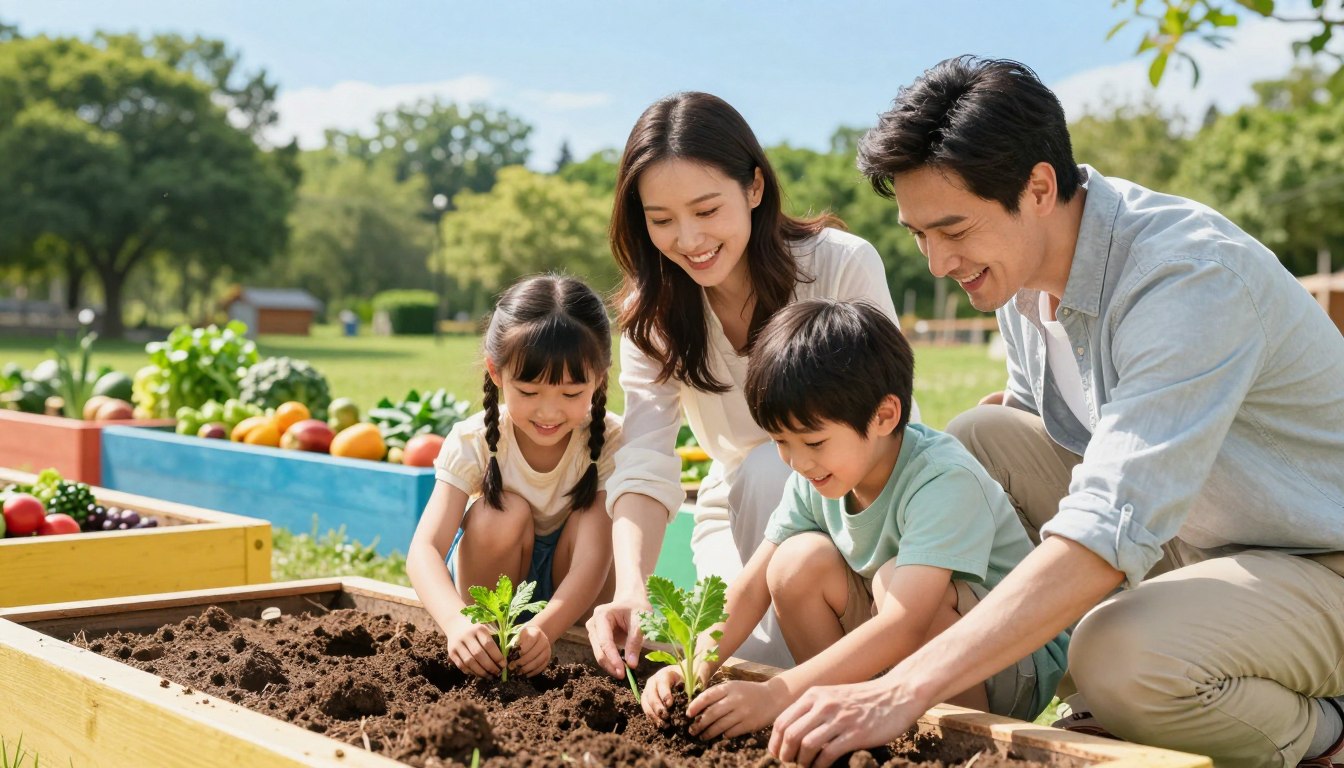
According to the CDC, childhood obesity has more than tripled since the 1970s, affecting one in five kids today. This significant change shows why raising healthy kids is so vital in our busy society. As a parent, you have the power to shape your child’s future through simple daily choices.
By focusing on parenting for healthy lifestyles, you give your family a clear path to wellness. Teaching children to pick nutritious snacks or enjoy playing outside builds their confidence. These consistent steps create a balanced home where everyone can grow strong and feel excellent.
It is never too early to start these positive routines in your house. Staying steady and being patient are the best ways to help your little ones learn. Your hard work today ensures they have the energy to chase their big dreams tomorrow.
Key Takeaways
- Encourage regular physical activity through fun daily active play.
- Model balanced eating habits during every family meal time.
- Prioritize consistent sleep schedules to support better physical growth.
- Limit screen time to foster more creative and social engagement.
- Teach children to listen to their natural hunger and fullness cues.
- Make water the primary beverage choice in your home daily.
Building a Foundation for Healthy Eating Habits
Healthy eating habits formed early in life can significantly impact a child’s overall well-being. As a parent, laying the groundwork for a balanced diet is crucial for your child’s development and long-term health.
Start Early with Nutritious Food Choices
Introducing a variety of nutritious foods from an early age helps children develop a taste for different healthy options. This can include fruits, vegetables, whole grains, and lean proteins. Nutritious food choices are essential for providing the necessary building blocks for growth and development.
It’s also important to limit the intake of processed and high-sugar foods, which can be detrimental to a child’s health. By making healthy choices, parents can help their children develop a positive relationship with food.
Make Meal Planning a Family Activity
Involving children in meal planning can be a fun and educational experience. It not only teaches them about different ingredients and cooking techniques but also encourages them to try new foods. This collaborative approach can make mealtime more engaging and enjoyable for the whole family.
By making meal planning a family activity, parents can also instill a sense of responsibility and teamwork in their children. It’s an opportunity to bond over food and create lasting memories.
Create Positive Food Environments
Creating a positive atmosphere during meals is vital for fostering healthy eating habits. This involves avoiding distractions such as TV and electronic devices, and instead, focusing on the food and the company.
Avoid Using Food as Reward or Punishment
Using food as a reward or punishment can lead to an unhealthy relationship with food. Instead, parents should focus on creating a positive association with mealtime. This can be achieved by making meals enjoyable and engaging.
Establish Regular Meal Times
Establishing a routine for meal times helps regulate a child’s appetite and metabolism. Regular meals can also reduce the likelihood of overeating or making unhealthy snack choices.
Encouraging Active Lifestyles and Physical Activity
As a parent, fostering an active lifestyle in your children can be a game-changer for their future. Encouraging kids to engage in physical activities not only improves their physical health but also enhances their mental wellbeing. By incorporating exercise into their daily routine, you can help them develop healthy habits that will last a lifetime.
Limit Screen Time Effectively
One of the most effective ways to encourage physical activity in children is by limiting their screen time. Excessive screen time has been linked to a range of health problems, including obesity and decreased attention span. By setting limits on screen time, you can encourage your kids to engage in more physical activities.
Tips to limit screen time:
- Set a daily time limit for screen use
- Encourage outdoor play
- Create screen-free zones in the home
Find Activities Your Kids Actually Enjoy
Finding activities that your kids enjoy is crucial in making physical activity a sustainable part of their lifestyle. Whether it’s swimming, dancing, or playing soccer, supporting their interests can make exercise feel less like a chore.
“The key to getting kids to be active is to make it fun. When they enjoy the activity, they’re more likely to stick with it.”
Make Exercise a Family Affair
Making exercise a family activity can be a great way to spend quality time together while promoting a healthy lifestyle. By involving your kids in your own fitness activities, you can show them that exercise is a fun and enjoyable part of daily life.

Planning active weekends is an excellent way to ensure that your family is getting enough physical activity. You can go for hikes, play sports, or simply go for a bike ride together.
Walk or Bike for Short Trips
For shorter trips, consider walking or biking instead of driving. This not only reduces your carbon footprint but also provides an opportunity for your kids to get some exercise.
| Activity | Benefits | Tips |
|---|---|---|
| Walking or Biking | Improves cardiovascular health, reduces carbon footprint | Start with short distances, make it a family activity |
| Swimming | Full-body exercise, low impact on joints | Find a local pool, join a swimming class |
| Dancing | Improves coordination, fun way to exercise | Put on some music, have a family dance party |
Establishing Daily Routines That Support Wellness
Daily routines play a significant role in supporting the overall wellness of your child. By establishing consistent and healthy daily practices, you can significantly influence their physical, emotional, and mental health. A well-structured daily routine helps in creating a sense of security and stability, which is crucial for a child’s development.
Consistency is key when it comes to daily routines. It helps children understand what is expected of them and what they can expect from their environment. This predictability can reduce anxiety and stress, making it easier for children to navigate their daily lives.
Set Consistent Sleep Schedules
Setting a consistent sleep schedule is one of the most critical daily routines. Adequate sleep is essential for a child’s physical growth, mental health, and ability to learn. Ensuring that your child goes to bed and wakes up at the same time every day, including weekends, can help regulate their body’s internal clock.
A consistent sleep schedule can improve the quality of sleep and help prevent sleep disorders. It’s also important to create a bedtime routine that signals to your child that it’s time to sleep. This can include activities like reading a book, taking a warm bath, or practicing gentle stretches.
Create Morning and Evening Rituals
Creating morning and evening rituals can add structure to your child’s day. Morning rituals can help start the day on a positive note, while evening rituals can help wind down and prepare for sleep. These rituals can be as simple as having a healthy breakfast together as a family in the morning, or practicing gratitude and reflection in the evening.
Morning rituals can include activities like making the bed, getting some natural light, or enjoying a nutritious breakfast. Evening rituals might involve activities like reading together, having a relaxing bath, or listening to soothing music.
Build in Time for Hygiene Habits
Building in time for hygiene habits is crucial for maintaining good health. Encouraging your child to brush their teeth twice a day, wash their hands regularly, especially before meals and after using the bathroom, and bathe or shower daily can help prevent the spread of illnesses.
| Hygiene Habit | Frequency | Benefits |
|---|---|---|
| Brushing Teeth | Twice a day | Prevents tooth decay and gum disease |
| Hand Washing | Regularly, especially before meals and after bathroom use | Prevents the spread of infections and illnesses |
| Bathing/Showering | Daily | Maintains personal hygiene and prevents body odor |
By incorporating these hygiene habits into your child’s daily routine, you can help them develop practices that will benefit their health throughout their lives.
Teaching Children to Make Healthy Choices Independently
Empowering children to make healthy choices on their own is a vital aspect of parenting. By doing so, parents can help their kids develop the skills and confidence needed to maintain a healthy lifestyle throughout their lives. This process involves several key strategies that not only promote independence but also foster a deeper understanding of what it means to live healthily.
The Importance of Explaining the “Why”
One of the foundational steps in teaching children to make healthy choices is explaining the reasoning behind healthy habits. When children understand why certain behaviors are beneficial, they are more likely to adopt them. For instance, explaining how regular physical activity strengthens the heart and improves mood can motivate kids to engage in exercise. As Dr. Andrew Weil once said,
“The best way to predict your future is to create it.”
By understanding the benefits, children can start making informed decisions about their health.

Assigning Age-Appropriate Responsibilities
Giving children responsibilities related to their health can significantly enhance their ability to make healthy choices. This can be as simple as letting them help with meal planning or preparing simple meals. Such tasks not only teach them about nutrition but also about the effort that goes into maintaining a healthy lifestyle. As children grow, the complexity of their responsibilities can increase, further empowering them.
For example, older children can take on more significant roles in meal preparation, learning about measurements, and cooking techniques. This hands-on experience is invaluable in teaching them about healthy eating and meal planning.
Fostering Critical Thinking About Marketing and Media
In today’s world, children are constantly exposed to marketing and media messages that can influence their perceptions of health and wellness. Teaching children to critically evaluate these messages is crucial. Parents can encourage this by discussing advertisements and media content with their kids, questioning the motives behind certain messages, and highlighting the differences between healthy and unhealthy options.
By fostering critical thinking, parents can help their children navigate the complex media landscape and make more informed choices. As Healthy People 2020 emphasizes, promoting health literacy is key to improving health outcomes.
Ultimately, teaching children to make healthy choices independently is a multifaceted process that requires patience, guidance, and positive reinforcement. By explaining the “why” behind healthy habits, giving age-appropriate responsibilities, and encouraging critical thinking, parents can equip their children with the tools needed to lead a balanced and healthy life.
Parenting for Healthy Lifestyles Through Modeling and Example
Modeling healthy behaviors is one of the most effective ways to promote a healthy lifestyle in your child. As a parent, you are your child’s most significant influence, and the habits and behaviors you exhibit will likely be adopted by them. By practicing healthy habits and making conscious lifestyle choices, you can create a positive environment that fosters family wellness.
Practice What You Preach
Children learn by observing, so it’s essential to model the behaviors you want them to adopt. If you want your child to develop healthy habits for children, such as regular exercise and balanced eating, you should demonstrate these habits yourself. This doesn’t mean you have to be perfect; it’s about making healthy choices and being mindful of your actions.
For example, if you’re trying to encourage your child to eat more fruits and vegetables, make sure you’re including them in your own diet. By doing so, you’ll show your child that healthy eating is a family affair and that everyone is committed to making healthy choices.
Share Your Own Health Journey
Sharing your own experiences and struggles with health and wellness can be a powerful way to connect with your child and provide a positive role model. By being open and honest about your own journey, you can help your child understand the importance of parenting tips that promote healthy lifestyles.
For instance, you could share with your child how you overcame a challenging health issue or how you developed a new habit. This can help your child see that healthy habits are not just about achieving a specific goal but about making progress and learning along the way.
Handle Setbacks with Grace
No one is perfect, and setbacks will inevitably occur. However, it’s how you handle these setbacks that matters. By responding to challenges with grace and resilience, you can show your child that it’s okay to make mistakes and that you can learn from them.
For example, if you slip up and miss a workout or indulge in an unhealthy snack, use it as an opportunity to talk to your child about the importance of getting back on track. By doing so, you’ll demonstrate that healthy habits are not about being perfect but about making progress and being consistent.
Conclusion
Healthy parenting is a journey that requires patience, consistency, and positive role-modeling. By implementing the strategies outlined in this article, such as building a foundation for healthy eating habits and encouraging an active family lifestyle, you can help your child develop healthy habits that will benefit them throughout their lives.
Parenting for healthy lifestyles is not about being perfect; it’s about being consistent and making healthy choices a part of your daily routine. By working together as a family and supporting one another, you can create a balanced lifestyle that promotes overall wellness and raises healthy kids.
By adopting these habits and making them a part of your family’s daily life, you’ll be well on your way to fostering a lifelong commitment to health and wellness, ultimately contributing to an active family lifestyle that brings joy and fulfillment for years to come.