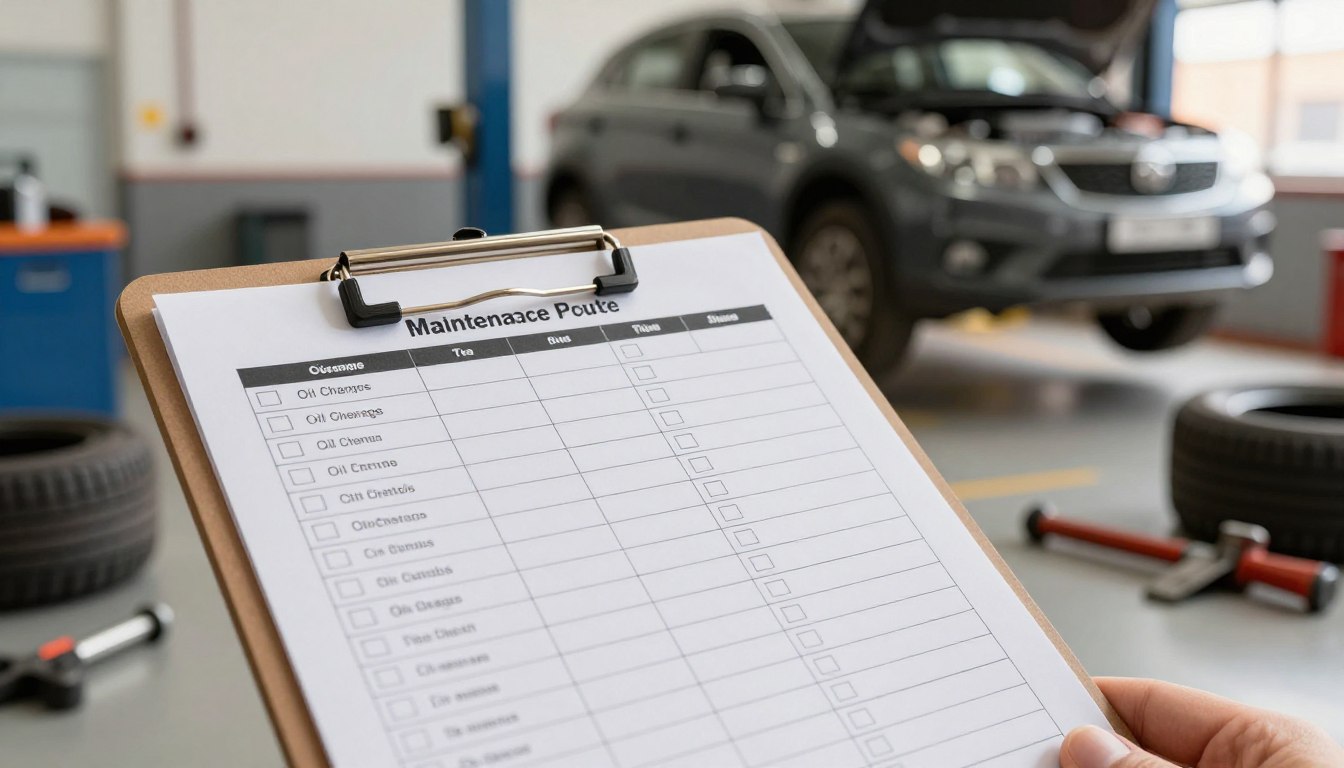
Car Maintenance Schedule Tips to Keep Your Car Running

Author:

Keeping your ride in top shape starts with a solid plan. Using a reliable vehicle maintenance schedule helps you track essential services by mileage or time.

Always consult your owner’s manual maintenance schedule first. Every model has unique needs based on engine type and how you drive.

Engaging in preventive vehicle maintenance is the best way to spot worn parts early. This simple habit saves you from costly car repairs down the road. Our guide provides a complete car maintenance checklist to keep your machine running smoothly. We will cover monthly inspections, professional service intervals, and smart recordkeeping tips.

Key Takeaways

  • Consult your manufacturer guide for specific service intervals.
  • Prioritize routine inspections to catch small issues early.
  • Track all service history to maintain your vehicle’s value.
  • Understand how your driving habits impact wear and tear.
  • Know when to seek professional help for complex tasks.

Build a Car Maintenance Schedule Around Time and Mileage

Managing your vehicle maintenance schedule does not have to be a complicated chore. By balancing both time and distance, you ensure that your car remains reliable regardless of how often you drive. A consistent routine car maintenance plan is the most effective way to prevent costly repairs down the road.

Use the Owner’s Manual as the Primary Guide

Your owner’s manual maintenance schedule is the gold standard for your specific vehicle. It provides the exact requirements set by the engineers who built your car. Always prioritize these manufacturer recommendations over generic advice found online.

Track Service by Mileage, Months, and Driving Conditions

Effective car maintenance by mileage is only half the battle. Many components, such as rubber hoses, tires, and fluids, degrade over time even if the car sits in a garage. You should also track car maintenance by month to ensure that items like your oil change schedule are met even if you haven’t hit the mileage limit.

Adjust Service Intervals for Towing, Short Trips, and Extreme Weather

Standard car service intervals often assume ideal driving conditions. If you frequently tow heavy loads, drive in stop-and-go traffic, or live in areas with extreme temperatures, your vehicle works much harder. In these cases, you must shorten your service windows to account for the extra stress on your engine and transmission.

Keep a Simple Record of Completed Maintenance

Staying organized is the secret to long-term vehicle health. When you keep a clear log, you protect your warranty and improve your car’s resale value. We recommend maintaining a simple folder or digital spreadsheet that includes the following details:

  • Date of the service performed.
  • Current mileage at the time of service.
  • Specific tasks completed, such as fluid changes or filter replacements.
  • The parts used and the date for your next scheduled visit.

Essential Checks to Complete Every Month

Spending just a few minutes each month on your car can save you from expensive repairs later. Following a consistent car maintenance checklist is the best way to ensure your vehicle remains reliable. By performing this car maintenance by month, you catch small issues before they turn into major mechanical failures.

car maintenance checklist

Check Engine Oil, Coolant, and Other Fluid Levels

Proper fluid maintenance is the lifeblood of your engine. Always park on a level surface and ensure the engine is cool before you begin. To check engine oil, pull the dipstick, wipe it clean, reinsert it, and check the level against the manufacturer’s marks.

Similarly, you should check coolant level by looking at the translucent reservoir. Never open a hot radiator cap, as the pressurized fluid can cause severe burns. If levels are consistently low, it may indicate a hidden leak that requires professional attention.

Inspect Tire Pressure, Tread, and Visible Damage

Effective tire maintenance keeps you safe on the road and improves fuel economy. Use a reliable gauge to verify that your tires match the cold-inflation pressure listed on the driver’s side door jamb. Inspect the tread for uneven wear and look closely for cuts, bulges, or embedded nails.

“An ounce of prevention is worth a pound of cure when it comes to your vehicle’s health.”

Test Exterior Lights, Wipers, and Windshield Washer Fluid

Visibility is critical for safe driving, especially during inclement weather. Walk around your vehicle to ensure all headlights, turn signals, and brake lights are functioning correctly. If your wipers leave streaks, replace the blades immediately to maintain a clear view of the road.

Don’t forget to top off your windshield washer fluid reservoir. Keeping this tank full ensures you can clear away dirt and debris whenever necessary.

Watch for Warning Lights, Leaks, Unusual Noises, and Vibrations

Your car often communicates through subtle signs before a breakdown occurs. Never ignore a dashboard warning light or a persistent puddle under your vehicle. Use the following table to identify common red flags that require a closer look:

Symptom Potential Issue Action Required
Dashboard Light Sensor or System Fault Scan for error codes
Puddle Under Car Fluid Leak Identify fluid type
Grinding Noise Worn Brake Pads Inspect brake system
Steering Vibration Alignment or Tire Issue Check tire balance

Always trust your instincts if your car feels different while driving. Unusual noises or vibrations are rarely just “normal aging” and should be investigated promptly to keep your vehicle running smoothly.

Routine Services That Protect Major Vehicle Systems

Protecting your car’s major systems involves a series of deliberate, scheduled actions. By staying consistent with routine car maintenance, you ensure that your vehicle remains reliable and safe for every journey on the road.

preventive vehicle maintenance

Replace Engine Oil and the Oil Filter on Schedule

Your oil change schedule should always follow the specific guidance provided by your vehicle manufacturer. Fresh oil lubricates critical engine components, reducing friction and preventing premature wear.

Regularly check engine oil levels between changes to ensure your engine stays properly protected. Neglecting this simple task can lead to costly repairs down the line.

Rotate Tires and Check Wheel Alignment

Effective tire maintenance is essential for both safety and fuel efficiency. You should perform a tire rotation at intervals recommended by your manual to ensure even tread wear across all four wheels.

Alignment checks are equally important, especially if you notice your car pulling to one side. Proper alignment prevents uneven tire wear and improves overall handling.

Replace Engine and Cabin Air Filters When Needed

Air filter replacement is a simple yet vital task for engine performance. A clean filter allows your engine to breathe, which optimizes fuel combustion and power output.

Do not forget the cabin air filter, which keeps the air inside your vehicle clean and free of dust or allergens. Replacing this filter regularly ensures your climate-control system functions at its best.

Inspect Brakes, Battery Connections, Belts, and Hoses

A thorough brake inspection helps you identify worn pads before they damage your rotors. You should also prioritize battery maintenance by cleaning terminals to prevent corrosion and starting issues.

Visual checks of your belts and hoses are also necessary to catch cracks or leaks early. These components are the lifelines of your engine’s cooling and electrical systems.

Schedule Transmission, Coolant, and Brake Fluid Service

Proper fluid maintenance goes beyond just oil changes. These specialized services require precision and the right tools to ensure your vehicle operates within safe parameters.

“Consistent fluid checks are the most effective way to prevent catastrophic failure in complex drivetrain and braking systems.”

Know When a Professional Inspection Is Safer

While many tasks are manageable at home, some situations demand a professional touch. You should seek expert help immediately if you notice the following signs:

  • Persistent warning lights on your dashboard.
  • Visible fluid leaks under the vehicle.
  • Unusual noises during braking or acceleration.
  • Signs of engine overheating.

Adhering to these car service intervals is the best way to practice preventive vehicle maintenance. When in doubt, a certified technician can provide the peace of mind you need to keep driving with confidence.

Conclusion

A reliable car maintenance schedule acts as the foundation for a dependable vehicle. By combining monthly inspections with manufacturer-recommended mileage intervals, you protect your engine, tires, and braking systems from premature wear.

Consistent preventive vehicle maintenance stops small issues from growing into major headaches. Monitoring your oil, fluids, belts, and hoses keeps your car running smoothly while saving you from costly car repairs down the road.

Adapt your service habits if you drive in severe conditions like extreme heat or heavy stop-and-go traffic. Reach out to a certified mechanic at brands like Toyota, Ford, or Honda when you notice warning signs involving safety-critical systems.

Taking charge of your vehicle care leads to a safer driving experience. You gain peace of mind knowing your car is ready for any journey. Start your routine today to enjoy a more reliable ride for years to come.

FAQ

How do I know the exact car maintenance schedule for my specific make and model?

The most reliable source is always your owner’s manual. Whether you drive a Ford F-150 or a Honda Civic, the manufacturer provides a detailed timeline based on your engine type and typical driving conditions. Following this guide ensures you perform preventive vehicle maintenance at the ideal intervals to avoid costly car repairs later on.

If I rarely drive my vehicle, do I still need to perform routine service?

Yes! Even if your mileage is low, components like engine oil, brake fluid, and rubber hoses age and degrade over time. Fluids can collect moisture, and tires from brands like Michelin or Goodyear can develop flat spots or dry rot. It is best to follow the time-based recommendations (e.g., every six months) rather than just the odometer.

What qualifies as “severe driving conditions” that require more frequent maintenance?

You should shorten your service intervals if you frequently engage in towing, drive in extreme weather (like scorching Arizona summers or freezing Minnesota winters), or navigate heavy stop-and-go traffic. Frequent short trips—where the engine doesn’t reach full operating temperature—and driving on dusty roads also mean you should check your engine air filter and synthetic oil levels more often.

What should I include in my monthly tire maintenance check?

Every month, you should check your tire pressure using a reliable gauge when the tires are cold. Look for signs of uneven tread wear, cuts, or bulges. Proper inflation not only improves your fuel economy but also ensures your vehicle handles safely during emergency maneuvers.

Why is it important to stay on top of engine oil and filter changes?

Engine oil is the lifeblood of your vehicle, lubricating moving parts and moving heat away from the combustion chamber. Using high-quality products like Mobil 1 or Castrol along with a fresh oil filter prevents sludge buildup. Regular changes are the simplest way to extend the life of your engine and maintain your vehicle’s resale value.

When is it necessary to seek a professional for car service instead of doing it myself?

While many owners can handle basic checks, you should visit an ASE-certified technician for complex tasks involving safety-critical systems. This includes transmission fluid flushes, wheel alignment, and diagnosing warning lights or unusual vibrations. A professional inspection is also safer when dealing with pressurized systems like your coolant or specialized braking system components.

How often should I replace my cabin air filter versus the engine air filter?

While intervals vary, the engine air filter (which protects your engine from debris) and the cabin air filter (which ensures clean air for passengers) are typically replaced every 15,000 to 30,000 miles. However, if you live in a high-pollen area or drive on dirt roads, brands like Fram or Bosch recommend checking them every time you get an oil change to ensure optimal performance.

Leave a Reply

Your email address will not be published. Required fields are marked *

news-1701

yakinjp

yakinjp

maujp

TOTOMACAU

sabung ayam online

sabung ayam online

sabung ayam online

sabung ayam online

article 10000486

article 10000487

article 10000488

article 10000489

article 10000490

article 10000491

article 10000492

article 10000493

article 10000494

article 10000495

article 10000496

article 10000497

article 10000498

article 10000499

article 10000500

article 10000501

article 10000502

article 10000503

article 10000504

article 10000505

article 10000506

article 10000507

article 10000508

article 10000509

article 10000510

article 10000511

article 10000512

article 10000513

article 10000514

article 10000515

article 10000516

article 10000517

article 10000518

article 10000519

article 10000520

article 10000521

article 10000522

article 10000523

article 10000524

article 10000525

article 10000526

article 10000527

article 10000528

article 10000529

article 10000530

article 10000531

article 10000532

article 10000533

article 10000534

article 10000535

article 10000536

article 10000537

article 10000538

article 10000539

article 10000540

article 10000541

article 10000542

article 10000543

article 10000544

article 10000545

mahjong 000106

mahjong 000107

mahjong 000108

mahjong 000109

mahjong 000110

mahjong 000111

mahjong 000112

mahjong 000113

mahjong 000114

mahjong 000115

mahjong 000116

mahjong 000117

mahjong 000118

mahjong 000119

mahjong 000120

mahjong 000121

mahjong 000122

mahjong 000123

mahjong 000124

mahjong 000125

mahjong 000126

mahjong 000127

mahjong 000128

mahjong 000129

mahjong 000130

mahjong 000131

mahjong 000132

mahjong 000133

mahjong 000134

mahjong 000135

mahjong 000136

mahjong 000137

mahjong 000138

mahjong 000139

mahjong 000140

mahjong 000141

mahjong 000142

mahjong 000143

mahjong 000144

mahjong 000145

mahjong 000146

mahjong 000147

mahjong 000148

mahjong 000149

mahjong 000150

mahjong 000151

mahjong 000152

mahjong 000153

mahjong 000154

mahjong 000155

mahjong 000156

mahjong 000157

mahjong 000158

mahjong 000159

mahjong 000160

mahjong 2990606

mahjong 2990607

mahjong 2990608

mahjong 2990609

mahjong 2990610

mahjong 2990611

mahjong 2990612

mahjong 2990613

mahjong 2990614

mahjong 2990615

mahjong 2990616

mahjong 2990617

mahjong 2990618

mahjong 2990619

mahjong 2990620

mahjong 2990621

mahjong 2990622

mahjong 2990623

mahjong 2990624

mahjong 2990625

mahjong 2990626

mahjong 2990627

mahjong 2990628

mahjong 2990629

mahjong 2990630

mahjong 2990631

mahjong 2990632

mahjong 2990633

mahjong 2990634

mahjong 2990635

mahjong 2000546

mahjong 2000547

mahjong 2000548

mahjong 2000549

mahjong 2000550

mahjong 2000551

mahjong 2000552

mahjong 2000553

mahjong 2000554

mahjong 2000555

mahjong 2000556

mahjong 2000557

mahjong 2000558

mahjong 2000559

mahjong 2000560

mahjong 2000561

mahjong 2000562

mahjong 2000563

mahjong 2000564

mahjong 2000565

mahjong 2000566

mahjong 2000567

mahjong 2000568

mahjong 2000569

mahjong 2000570

mahjong 2000571

mahjong 2000572

mahjong 2000573

mahjong 2000574

mahjong 2000575

artikel 000000091

artikel 000000092

artikel 000000093

artikel 000000094

artikel 000000095

artikel 000000096

artikel 000000097

artikel 000000098

artikel 000000099

artikel 000000100

artikel 000000101

artikel 000000102

artikel 000000103

artikel 000000104

artikel 000000105

artikel 000000106

artikel 000000107

artikel 000000108

artikel 000000109

artikel 000000110

artikel 000000111

artikel 000000112

artikel 000000113

artikel 000000114

artikel 000000115

artikel 000000116

artikel 000000117

artikel 000000118

artikel 000000119

artikel 000000120

article 7700331

article 7700332

article 7700333

article 7700334

article 7700335

article 7700336

article 7700337

article 7700338

article 7700339

article 7700340

article 7700341

article 7700342

article 7700343

article 7700344

article 7700345

article 7700346

article 7700347

article 7700348

article 7700349

article 7700350

article 7700351

article 7700352

article 7700353

article 7700354

article 7700355

article 7700356

article 7700357

article 7700358

article 7700359

article 7700360

article 7700361

article 7700362

article 7700363

article 7700364

article 7700365

article 7700366

article 7700367

article 7700368

article 7700369

article 7700370

article 7700371

article 7700372

article 7700373

article 7700374

article 7700375

article 7700376

article 7700377

article 7700378

article 7700379

article 7700380

article 7700381

article 7700382

article 7700383

article 7700384

article 7700385

article 7700386

article 7700387

article 7700388

article 7700389

article 7700390

article 7700391

article 7700392

article 7700393

article 7700394

article 7700395

article 7700396

article 7700397

article 7700398

article 7700399

article 7700400

article 238000561

article 238000562

article 238000563

article 238000564

article 238000565

article 238000566

article 238000567

article 238000568

article 238000569

article 238000570

article 238000571

article 238000572

article 238000573

article 238000574

article 238000575

article 238000576

article 238000577

article 238000578

article 238000579

article 238000580

article 238000581

article 238000582

article 238000583

article 238000584

article 238000585

article 238000586

article 238000587

article 238000588

article 238000589

article 238000590

mahjong 238000591

mahjong 238000592

mahjong 238000593

mahjong 238000594

mahjong 238000595

mahjong 238000596

mahjong 238000597

mahjong 238000598

mahjong 238000599

mahjong 238000600

mahjong 238000601

mahjong 238000602

mahjong 238000603

mahjong 238000604

mahjong 238000605

mahjong 238000606

mahjong 238000607

mahjong 238000608

mahjong 238000609

mahjong 238000610

mahjong 238000611

mahjong 238000612

mahjong 238000613

mahjong 238000614

mahjong 238000615

mahjong 238000616

mahjong 238000617

mahjong 238000618

mahjong 238000619

mahjong 238000620

mahjong 9998000686

mahjong 9998000687

mahjong 9998000688

mahjong 9998000689

mahjong 9998000690

mahjong 9998000691

mahjong 9998000692

mahjong 9998000693

mahjong 9998000694

mahjong 9998000695

mahjong 9998000696

mahjong 9998000697

mahjong 9998000698

mahjong 9998000699

mahjong 9998000700

mahjong 9998000701

mahjong 9998000702

mahjong 9998000703

mahjong 9998000704

mahjong 9998000705

mahjong 9998000706

mahjong 9998000707

mahjong 9998000708

mahjong 9998000709

mahjong 9998000710

mahjong 9998000711

mahjong 9998000712

mahjong 9998000713

mahjong 9998000714

mahjong 9998000715

mahjong 9998000716

mahjong 9998000717

mahjong 9998000718

mahjong 9998000719

mahjong 9998000720

mahjong 9998000721

mahjong 9998000722

mahjong 9998000723

mahjong 9998000724

mahjong 9998000725

mahjong 838000773

mahjong 838000774

mahjong 838000775

mahjong 838000776

mahjong 838000777

mahjong 838000778

mahjong 838000779

mahjong 838000780

mahjong 838000781

mahjong 838000782

mahjong 838000783

mahjong 838000784

mahjong 838000785

mahjong 838000786

mahjong 838000787

mahjong 838000788

mahjong 838000789

mahjong 838000790

mahjong 838000791

mahjong 838000792

mahjong 838000793

mahjong 838000794

mahjong 838000795

mahjong 838000796

mahjong 838000797

mahjong 838000798

mahjong 838000799

mahjong 838000800

mahjong 838000801

mahjong 838000802

news-1701